






A beautiful home fireplace is one of the best investments you can make for you home. And if you’re deciding between a gas fireplace, electric fireplace, ethanol or wood-burning one... this guide is for you. I’ll walk you through what actually works, what to avoid, and how to get the best performance without compromising safety or style. This is real-world advice, refined for people who expect quality, comfort, and safety.
Here’s the short version: Gas fireplaces offer a unique blend of beauty and practicality. Wood-burning options bring that classic charm but come with a few catches. Electric fireplaces are more versatile than you might think. And ethanol? It might surprise you with how sleek and flexible it really is.
The Starfire Direct team has spent over 15 years installing, testing, and (unfortunately) troubleshooting fireplaces in everything from boutique vacation homes to coastal residential patios. And we've learned the fireplace styles that actually enhance your space and lifestyle.
Thinking of building or updating your fireplace? Read our expert guide to avoid costly mistakes and get it done right.

How to Choose the Right Fireplace for Your Home
Choosing a fireplace is about more than just how it looks. You’re balancing:
- How much maintenance you’re willing to do
- How much heat you actually need
- How you use each room
- Your design goals and limitations
Learning how to pick the right size burner for your fireplace? Read this blog to make sure you get it right the first time.
Gas Fireplaces: Effortless Elegance and Reliable Warmth
Gas fireplaces have become the go-to choice for homeowners who want consistent heat, easy operation, and serious design flexibility. Why? Because they're incredibly clean, cost-efficient, and easy to use without sacrificing style or that cozy fireplace feel.
And when you're shopping for gas fireplaces, there are actually two types you want to be aware of:
Gas Fireplaces Compared: Which One Is Best for Your Home? Read this to find the perfect fit for your style, space, and budget.
Direct Vent Fireplaces

These sealed systems are a common solution for new builds and remodels. They draw air from outside, so there’s no indoor air concern, and they offer excellent efficiency and safety.
One of the sleekest installs I've seen is the Reduced Cordova Vented Fireplace by American Fyre Designs, paired with Real Fyre Vented American Oak See-Thru Gas Logs. The result is museum-quality realism and warmth with super easy functionality.
Another great look is the Vented See-Thru Gas Logs in Mountain Birch by Real Fyre for a cooler-toned fireplace setup. Once installed, it looks stunning and performs flawlessly.
Looking to customize your vented fireplace? Read this blog to get started.
Best for:
- Living rooms, open-concept spaces, and even luxury patios
- New construction or major renovations
- High-performance heat without a high-maintenance system
You'll also want to know the difference between vented and ventless gas logs and for you to know which is best for you.
Ventless Gas Fireplaces

Unsurprisingly, the main difference between a vented and ventless gas fire place is... you guessed it... the lack of a venting system. These are a bit more controversial due to indoor air concerns, but still viable in some municipalities. Some of our customers love their Real Fyre’s Vent-Free Gas Logs that look like Foothill Split Oak.
They’re great when venting isn’t possible—like in certain condos or interior rooms. That said, always pair with a CO detector, and check your local regulations first.
Want to customize your vent-free fireplace? Read this blog to learn how to do it right.
Electric Fireplaces: Sleek, Safe, and Surprisingly Sophisticated

I’ll admit it: I used to think electric fireplaces were underwhelming. But as is the case in so many design challenges, it depends on your style, priorities, and tastes. One great example of these elegant fire solutions is the Remii Deep Indoor/Outdoor Built In Electric Fireplace, which looks great indoor or on a covered patio project. The flame depth, the sleek design—it'll change what you think electric can be.
Electric fireplaces aren’t trying to mimic wood or gas. They offer their own kind of aesthetic—ambient, modern, and incredibly flexible.
Why it works:
- Requires no venting or gas lines—just plug it in.
- Can be installed virtually anywhere: bedrooms, patios, home offices.
- Runs with or without heat—perfect for ambiance during warmer seasons.
- Safe around pets, children, and guests.
- Maintenance is almost nonexistent.
The latest models are whisper-quiet and come with remote controls, adjustable flame brightness, and even color-changing features if you want something more playful—making small electric fireplaces perfect for creating cozy, warm spaces without the hassle of traditional heating methods. For high-design interiors or minimalist spaces, electric makes a lot of sense.
Best for: Urban condos, low-vent areas, secondary living spaces, modern design lovers.
Ethanol Fireplaces: Clean Lines, Clean Flame, and Complete Flexibility

Ethanol fireplaces are easily one of the most elegant and overlooked options for modern spaces. They burn clean, No smoke, no ash, no venting, no hookups. And yet they deliver a real, ambient flame that feels anything but artificial.
The Starfire Direct team has seen the EcoSmart Fire Flex Island Bioethanol Fireplace Insert completely redefine a room. The flame stretches beautifully between two seating areas, visible from every angle, and the sleek, linear design adds a sculptural element without interrupting the architecture. It’s warmth, style, and freedom—all in one centerpiece.
Why consider ethanol:
- Vent-free and completely portable.
- Produces a soft, real flame without residue or odor.
- Can be used indoors or outdoors.
- Ideal for installations where traditional fireplace infrastructure is impossible or intrusive.
- Easy to refuel—just pour in bioethanol and light.
Design tip: These are often found in high-end hospitality spaces. Consider a see-through model or modular install to add architectural interest.
Best for: Secondary lounges, seasonal use areas, clean-burning modern homes, or creative custom placements like room dividers or integrated shelving.
Wood-Burning Fireplaces: Charm Meets Commitment

There’s something deeply nostalgic about a real wood fire. The scent. The sound. The glow that makes a room feel like a retreat from the world. For a certain kind of homeowner, it’s unbeatable.
But let’s be honest—this is not a plug-and-play option.
In my last home, I thought I’d use the fireplace every night. The reality? Between sweeping ash, hauling cords of wood, and scheduling annual cleanings, I used it about a dozen times a year.
Who it’s for: If you love the ritual of building a fire, don’t mind ongoing maintenance, and want real heat with a traditional look, wood is a solid choice.
What to know:
- Annual chimney sweeps are non-negotiable (expect $300–$500).
- You’ll need a reliable source of dry, seasoned wood—ideally hardwood like oak or maple.
- It throws excellent radiant heat and works during power outages.
This is an experience as much as a heat source—but only worth it if you’re committed to the upkeep.
Fireplace Comparison Table
Here’s a side-by-side comparison to help you weigh the pros and cons of each fireplace type:
| Fireplace Type | Heat Output | Maintenance | Venting Required | Flexibility | Best For |
|---|---|---|---|---|---|
| Wood-Burning | High (Radiant Heat) | High (Creosote, Ash) | Yes | Low | Traditionalists, Off-Grid Backup Heat |
| Gas (Direct Vent) | High | Moderate | Yes | Medium | Primary Living Spaces, Daily Use |
| Gas (Ventless) | Moderate-High | Low | No (Check Local) | Medium | Renovations, Indoor Rooms Without Flues |
| Electric | Moderate (Forced Air) | Very Low | No | High | Apartments, Bedrooms, Low-Vent Areas |
| Ethanol | Low-Moderate | Very Low | No | Very High | Modern Homes, Custom Installs, Rentals |
What Are the Real Benefits of Each Fireplace Type?
As someone who’s lived with—and installed—nearly every type of fireplace, I’ve seen firsthand how different options enhance different lifestyles. Here’s how they compare from a real-world, high-functioning perspective.
Wood-Burning: For the Traditionalists

Nothing beats the smell of oak and the soft crackle of real flames. A wood-burning fireplace is an experience, not just a heat source. It brings a sense of rhythm to your evenings—the kind of ritual that pairs well with a leather armchair and a good Syrah.
- Delivers exceptional radiant heat
- Ideal for off-grid or backup heating
- Best suited for those who enjoy hands-on fire tending
Gas: For the Practical Enthusiast

This is the most balanced solution. Modern gas fireplaces offer design flexibility, strong heat output, and nearly effortless operation. Whether you want a clean look or something more traditional, there’s a setup to match your space.
- Push-button convenience with real flame aesthetics
- Excellent heating performance
- Wide design and venting options
Electric: For the Low-Maintenance Modernist

Electric fireplaces provide ambiance without the complexity. If you want something that integrates into your space and asks very little of you, this is it.
- Plug-and-play installation
- Year-round usability with heat-off flame effect
- High safety profile
Ethanol: For the Design-Forward Homeowner

Ethanol offers freedom from infrastructure. It’s fire as sculpture—an architectural feature as much as a source of warmth.
- No venting, wiring, or gas lines required
- Ideal for seasonal entertaining and custom installations
- Flame is real, warm, and completely smoke-free
Wondering if an ethanol fireplace is right for you? This blog breaks down the benefits.
Fireplace Safety and Maintenance: What Every Homeowner Should Know

If there’s one non-negotiable in this entire guide, it’s this: fireplace safety isn’t optional. Whether you’ve got a wood-burning hearth or a low-maintenance electric unit, protecting your home and your guests should always come first.
I’ve seen too many otherwise stunning installs compromised by skipped inspections or overlooked maintenance. The good news? Most of what keeps your fireplace safe is easy to schedule or build into a seasonal routine.
Looking for the ultimate guide on how to properly clean and maintain your gas fireplace? Read this to keep it running safely, efficiently, and looking its best.
Annual Inspections: Schedule Them Before the First Flame
Every year—ideally before Halloween—I bring in a certified technician. For wood-burning units, that means a full sweep and inspection following NFPA 211 standards. For gas fireplaces, it’s a burner check, sensor cleaning, and leak test.
If you’ve made any renovations, changed fuels, or moved into a new home with an existing fireplace, you may need a Level 2 or 3 inspection. For most, Level 1 will do.
Your installer or sweep should be NFI Certified Technician or National Fireplace Institute Certified Technician or equivalent. If your unit connects to a chimney or flue, camera inspections are a smart upgrade.
Wondering why NFI Certification should matter to you? Learn about its importance for safety, performance, and peace of mind.
Monthly Fireplace Checklist
I run this quick checklist throughout fireplace season. It takes 10 minutes and saves me from potential headaches—or worse.
- Test smoke detectors and CO alarms near the fireplace and in sleeping areas.
- Clean out ashes (if wood-burning) and store them in a metal container with a tight-fitting lid, away from the house.
- Check the damper before and after each fire. Leave it open until all embers are fully out.
- Inspect visible components—burners, log placements, power cords, fuel connections.
Common Issues to Watch For
- Creosote buildup: This sticky, highly flammable substance accumulates quickly in wood-burning systems. Anything over 1/8 inch thick? Time to call the sweep.
- Sensor failure: Gas fireplaces rely on flame sensors and pilot lights. If yours won’t stay lit, it might just need cleaning—but don’t guess. Have a pro take a look.
- Blocked venting: This is especially common with direct vent systems in windy or wooded areas. A chimney cap with a spark arrestor helps prevent blockages (and squirrels).
Want to understand fireplace ignition systems? This blog covers everything you need to know.
Accessories That Elevate Safety and Style

When I first started, I thought I could get by with a cheap poker and a metal bucket. Over time, I realized the right tools make all the difference for function, safety, and aesthetics.
Here are the ones I recommend to every client, and keep in my own home.
Fireplace Screens
Protective, architectural, and in many cases—beautiful.
-
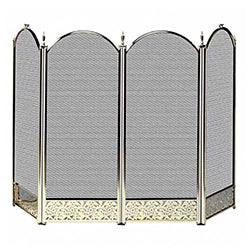
Single Panel Black Wrought Iron Sparkguard
Timeless and functional. Doors make it easy to stoke the fire without removing the screen. -
EcoSmart Fire Plasma Fire Screen
Designed for ethanol and modern gas setups. Frameless glass that protects while keeping the flame visible from all angles.
Reflective Panels (Fyrebacks)
Installed at the rear of the firebox, fyrebacks reflect light and heat back into the room, improving brightness and efficiency.
-
Real Fyre Contemporary Fyreback
Great for gas log setups—especially with low ambient lighting.
Log Racks
Functional and design-forward options for indoor and outdoor storage.
-
Fire Pit Art Carbon Steel Crescent Log Rack
Looks like a sculpture, holds a weekend’s worth of firewood. Built to last outdoors.
Additional Essentials
-
Blower Fan: moves warm air across the room instead of letting it rise. If your unit supports one, install it.
-
Ash Vacuum: regular vacuums won’t survive hot ash. A heat-rated model keeps your hearth clean and your lungs happy.
-
Magnetic Flue Thermometer: for wood fireplaces, this helps keep combustion in the optimal temperature range (usually 250°F to 450°F). Prevents overburn and creosote buildup.
-
Fireplace Tool Set: poker, tongs, shovel, and brush. Get a set that matches your aesthetic—you’ll be using it often.
-
Fire-Resistant Hearth Rug: looks better than a scorched floor. Modern options offer both protection and style.
-
Carbon Monoxide and Smoke Detectors: replace every 5–10 years. I label install dates with Sharpie so I don’t forget.
Want to freshen up your fireplace? Read this blog for easy, stylish ideas.
Choose What You’ll Actually Use

At the end of the day, the best fireplace is the one that fits your style, your space, your habits, and your long-term plans.
If you enjoy the ritual and don’t mind the maintenance, wood-burning is unmatched in atmosphere and heat. For convenience, design range, and real warmth, gas is the most versatile. If ease and safety are your priorities, electric makes a stylish, low-maintenance choice. And for freedom and flexibility, ethanol offers modern appeal with almost no installation footprint.
Whichever direction you go, commit to safety, invest in quality materials, and make your fireplace a part of how you live—not just something that looks good in photos.
Want help finding a specific model or installing a system that fits your lifestyle? The Starfire Direct team would love to help, and we're just a phone call away.