






I used to think tossing a few river rocks into my fire pit was a stroke of rustic genius. It looked cool. But then—crack! pop! ping!—one shot out like a flaming cannonball and nearly shattered my porch light. Lesson learned: never use wet or natural stones that aren’t fire-rated.
What I didn’t know at the time is that fire pit media isn’t just decorative—it’s essential. Whether you’re using fire glass, lava rocks, ceramic logs, fire balls, or even fire pit ornaments, the right media improves heat distribution, protects your burner, and elevates the whole look of your setup. Skip the right materials, and you’re basically setting yourself up for a backyard disaster (or at least an underwhelming flame).
In this guide, I’m laying it all out. Whether you're upgrading your patio or buying your first fire pit, I’ll walk you through how fire pit media works, what to avoid, and how to style it for serious backyard wow factor. And yes—I’ll throw in a few more cautionary tales along the way.
Looking for the ultimate fire pit kit guide to build the perfect, cozy backyard? Read our comprehensive blog.
What Is Fire Pit Media and Why Does It Matter?

When I first set up my fire pit, I just dumped in some shiny glass and called it good. Looked cool—until the flame sputtered out every time the wind picked up. Later I found out I wasn’t using enough media, and what I had didn’t even match the burner spec. A guy at the shop told me that’s how burners get scorched. Wish I’d asked sooner.
Since then, I’ve learned fire pit media does more than just look pretty. It protects the burner, spreads heat, and totally changes the feel of your setup. I’ve tried lava rock, smooth glass, even layered mixes—but not all media works with all burners. And if you stack it wrong? Yeah, I’ve done that too.
Looking for the complete guide to commercial fire pits? Discover designs, benefits, and installation tips in our comprehensive blog post
Types of Fire Pit Media
This is where things get fun—and slightly overwhelming. Think of fire pit media like toppings on a pizza. They all add something different, and mixing too many just leads to confusion (or in my case, burnt cheese and regret).
Here’s a rundown of the most common types and how to use them:
1. Fire Glass

I use fire glass in the main fire pit on our patio—usually the cobalt blue stuff—because it looks incredible at night when we have friends over. The way it catches the flame? Super dramatic. But I learned the hard way not to go cheap; one batch I ordered online actually cracked mid-burn and startled my dog so bad he wouldn’t come outside for two days. Now I stick to fire-rated glass, 2 inches max, spread evenly. Lately, I’ve been using Starfire Glass 1/4" Broken Fire Glass (10lbs) and sometimes mixing in the Starfire Glass 1/2" Broken Fire Glass (10lbs) for more texture—it really helps the heat spread better and looks even more dynamic when the flame gets going.
Why fire glass is taking over backyards everywhere—read our blog to find out.
2. Lava Rock

My cousin uses lava rock in his backyard pit up in Flagstaff—says it holds up great in the cold and gives off that cozy, rustic vibe that pairs perfectly with pine trees and chilly nights. I tried it last fall under my fire glass and honestly? Game changer. It cuts down on how much glass you need, keeps the flame nice and even, and doesn’t cost much at all. I’ve been using the Starfire Designs 10 lbs Small Volcanic Lava Rock ever since—nothing fancy, but solid performance and it holds up really well.
3. Ceramic Logs and Fire Stones

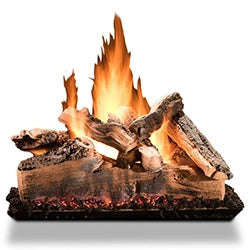
Hargrove Premium Products Wilderness Split Gas Fire Pit Logs are customizable, refractory cement logs featuring realistic split‑wood textures and bark detail.
My buddy Nate swapped out his old fire glass for ceramic logs last winter, and man—it completely changed the feel of his setup. We were out there in jackets, sipping bourbon by the fire, and I swear it looked like a legit wood-burning pit. He used the Hargrove Premium Products Wilderness Split Gas Fire Pit Logs, mixed in a few ember chunks and some lava rock underneath, and the flame danced like the real thing. No mess, no smoke—just that warm, classic vibe.
4. Fire Balls

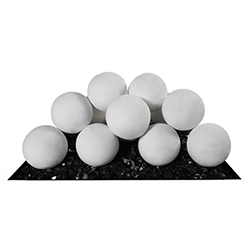
I’ve got a buddy in Palm Springs who swears by fire balls. He’s got this sleek concrete fire bowl with a few Starfire Designs 4" Black Ceramic Fiber Fire Balls stacked inside—it looks like modern art. I didn’t really get it at first. I mean, they don’t glow or sparkle like glass. But once the flames kick in and curl around the shapes, it’s got this sculptural, high-end feel that’s actually super cool. They’re made of ceramic or refractory cement, so they hold up well—even in serious heat. Only downside? They’re kinda pricey, and if one cracks (like his did after leaving it out during a summer monsoon), replacements aren’t cheap. But for style? Hard to beat.
5. Fire Pit Ornaments

I saw my neighbor’s setup the other night—he had this little metal sphere with flame cutouts sitting right in the center of his burner. Total conversation starter. I didn’t even know fire pit ornaments were a thing until then. They don’t do much for heat, but they do give the flames something to dance around, which makes the whole fire look more dramatic. I’ve been eyeing The Outdoor Plus 18" Lotus Flower Ornament myself—it's got this elegant, sculptural look that would pop in a modern setup. But ornaments are kinda hit or miss depending on the size of your burner, and some of the cheaper ones rust fast if you leave them out—especially in coastal areas like ours. Still, if you want a little flair without changing your whole setup, it’s a fun way to go.
Fire Pit Media Comparison Guide
Not all fire pit media are created equal. Here’s a breakdown of how five popular types stack up when it comes to heat retention, looks, upkeep, durability, and compatibility with gas fire pits:
| Fire Pit Media | Heat Retention | Visual Appeal | Maintenance | Durability | Gas Compatibility |
|---|---|---|---|---|---|
| Fire Glass | Moderate – holds heat while burning, but cools quickly | Very high – sparkling, colorful, dramatic | Low – just rinse occasionally | High – won’t melt, crack, or discolor | Works with natural gas or propane |
| Lava Rock | Excellent – holds and radiates heat even after flames go out | Natural and rustic – not flashy, but classic | Moderate – needs occasional cleaning, may fade over time | Good – may crack if wet and overheated | Compatible with natural gas or propane |
| Ceramic Logs & Stones | High – distributes flame and retains warmth well | Realistic (logs) or clean and modern (stones) | Low – wipe off soot occasionally | High – made for direct flame contact | Works with both gas types; often used with lava rock base |
| Fire Balls | High – retains heat well and radiates evenly | Sleek and modern – minimalist statement pieces | Low – just dust or wipe off soot | Very high – refractory ceramic built for extreme heat | Great with natural gas or propane (often layered over lava rock) |
| Fire Pit Ornaments | High – solid ceramic holds and reflects heat | Artistic and unique – adds a personal design touch | Low – needs wiping now and then | High – same materials as logs and balls | Best with gas setups; usually paired with base media |
Choosing the Right Fire Pit Media for Your Burner Type

Let me clear up one of the things I really wish someone had told me earlier: not all fire pit media works with every burner. I learned this the hard way when I overloaded my propane burner with chunky fire glass and basically smothered the flame. Total rookie mistake.
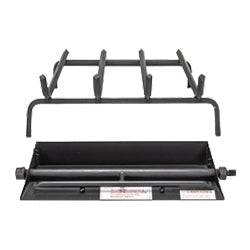
If you're using a burner kit, a built-in fire table, or going full DIY with your own setup, matching the media to your fuel type matters—a lot. Here’s a quick breakdown of what I’ve figured out over the years (and yes, I’ve called more than one manufacturer’s tech line to confirm this stuff):
| Fuel Type | Recommended Media | Avoid |
|---|---|---|
| Propane (LP) | Lava rock, small-size fire glass, ceramic logs | Large fire glass (can block burner airflow) |
| Natural Gas | Pretty much all media types are compatible | — |
| Gel/Bioethanol | None (stick to clean-burning liquid setups only) | Lava rock, fire glass, logs—any solid media |
Confused about fire pit fuel options? Our guide breaks down propane, natural gas, and ethanol to help you choose—read our blog
In my experience, propane systems tend to be a little fussier. Airflow is everything. If your media is too dense—or you pile it on too deep—you’ll get uneven flames or worse, the burner won’t ignite consistently. I always recommend checking your burner’s specs first. Some even call out the exact depth and media size, especially with fire glass. Trust me, it’s worth reading the manual before loading up the pretty stuff.
For gas fire pits, ensure your media and installation align with national safety standards—such as ANSI Z21.97/CSA 2.41 and NFPA 54—which are recognized by the U.S. Consumer Product Safety Commission for outdoor LP gas appliances like fire pits.
How to Layer Fire Pit Media for Performance and Style

Layering your fire pit media isn’t just for looks—it’s what makes the flames actually work. I once dumped a whole 20-lb bag of fire glass straight on the burner. Looked great… until the flame sputtered out. Turns out, bad layering blocks airflow and can wear out your burner fast. It’s not just style—it’s function.
Here’s how I do it now (and what I’d recommend to anyone who doesn’t want to melt their burner pan):
General Layering Technique:
-
Start with a base layer of lava rock or crushed fire-rated media—about 1 to 2 inches deep.
-
Then add a top layer of fire glass or decorative stones—again, 1 to 2 inches for most setups (you can go slightly thicker with natural gas).
-
Don’t block the burner holes directly—especially with propane. That stuff needs air or it throws a fit.
Why It Matters:
| Layer | Purpose |
|---|---|
| Lava Rock (Base) | Helps distribute heat, improves airflow, protects burner from direct flame contact |
| Fire Glass (Top) | Adds the visual wow factor, enhances flame glow, especially at night |
| Ceramic Logs | Optional accent—adds realism if you’re going for that campfire vibe |
Honestly, this combo has been a sweet spot for me. I get better flames, I save money by not using as much fire glass, and the setup looks sharp. Plus, if anything gets dirty or needs swapping out, I’m not digging through a mountain of melted glass chunks. Total win.
Color Choices and Flame Effects

You’d think picking a color would be the easy part. Nope. I spent two hours debating between cobalt-blue and amber fire glass for my fire pit this fall—both matched the cushions, and both looked amazing. In the end, I bought both and mixed them. Spoiler: it totally worked.
Flame vs. Color Science
Different colors actually change how the fire looks—more than I expected.
Light shades like clear, bronze, or white give off a soft, ambient glow, while darker tones like black or sapphire create that deeper contrast and more dramatic flicker. Reflective fire glass? Way sparklier at night. I’ve found that mixing reflective with non-reflective pieces adds depth to the flame bed. Just don’t pile it too high—go too deep and your flame height drops fast.
Heat Output and Efficiency
Not all fire pit media is created equal when it comes to putting out real, usable heat. Here’s how each type performs when the temps drop and you’re trying to actually stay warm—not just look cool.
| Media Type | Heat Output | Efficiency Notes |
|---|---|---|
| Fire Glass | Moderate | Reflects heat well but cools quickly; works best in shallow layers for proper airflow. |
| Lava Rock | High | Absorbs and radiates heat slowly and steadily; excellent base layer for gas dispersion and warmth. |
| Ceramic Logs & Fire Stones | High | Strong thermal mass; mimics wood-fire warmth with solid radiant output—especially with ember kits. |
| Fire Balls | Very High | Superb heat retention thanks to dense ceramic; radiates warmth evenly across the setup. |
| Fire Pit Ornaments | Low | Primarily decorative; minimal heat retention on their own—pair with efficient base media for better results. |
Absolutely! Here’s the Maintenance and Cleaning Tips section rewritten in a clear, friendly bullet point format for your blog:
Maintenance and Cleaning Tips: What to Expect from Each Media

Not all fire pit media needs the same level of upkeep. Here’s how each one holds up—and what to do when it needs a little TLC.
Fire Glass
-
Maintenance Level: Low
-
How to Clean: Rinse with clean water, let dry fully. Wipe soot off with a damp cloth.
-
Watch Out For: Soot buildup from propane; too much debris can block airflow.
Lava Rock
-
Maintenance Level: Moderate
-
How to Clean: Shake out ash or dust; rinse occasionally if it starts looking dirty.
-
Watch Out For: Holds moisture—make sure it’s dry before lighting or it may pop.
Ceramic Logs & Fire Stones
-
Maintenance Level: Low
-
How to Clean: Wipe with a soft cloth or dry brush. Avoid water if the logs are warm.
-
Watch Out For: Soot is common on lighter logs; never clean while hot (can cause cracking).
Fire Balls
-
Maintenance Level: Low
-
How to Clean: Dust or gently wipe with a cloth; no need for harsh cleaners.
-
Watch Out For: Light soot shows on white or tan colors; keep dry to prevent cracks.
Fire Pit Ornaments
-
Maintenance Level: Low
-
How to Clean: Wipe with microfiber cloth; rinse only if the material allows.
-
Watch Out For: Metal pieces can rust—especially near the coast. Store or cover when not in use.
Let everything cool completely before cleaning. And if you're burning propane, check for soot more often—especially on light-colored or reflective media. Covers help a lot with dust and moisture buildup.
To keep your backyard setup safe, always follow official outdoor fire safety guidelines like those outlined by the U.S. Fire Administration.
Can You Mix Fire Pit Media?

Yes, you can mix fire pit media—but you’ve got to do it smartly. I tried mixing fire balls with fire glass once, and while it looked amazing at first, the fire balls ended up blocking the flame and creating cold spots. Lesson learned..
Mixing Rules That Won’t Burn You:
-
Stick to compatible materials
(Think: ceramic logs with lava rock, or fire glass over a lava base.) -
Prioritize airflow
Don’t overpack the burner or bury the ports—especially with propane. -
Use decorative media on top
Fire glass works great as a top layer. Let lava rock or crushed material handle the gas flow. -
Don’t treat it like a froyo bar
This isn’t dessert—it’s flame. Mixing too many textures and types can mess with both performance and safety.
Mixing media is more about style than boosting heat. Done right, it looks great. Done wrong, you’ll get uneven flames and probably a mess to clean up.
Common Mistakes to Avoid (That I’ve Totally Made)
Let’s call this what it is—my personal Hall of Shame. I’ve made every one of these mistakes so you don’t have to.
-
Using beach rocks
They explode. Not a metaphor. Don’t do it. -
Filling the pit too high
Low, sad flames. Burner's stressed. Everyone’s disappointed. -
Buying cheap glass
It discolors, cracks, and sometimes pops mid-burn. Not worth the savings. -
Never cleaning the media
Flames start smelling funky. It’s not the vibe you're going for. -
Blocking airflow under the burner pan
Starves the flame and can overheat your components—fast.
To the best of my knowledge (and from more trial and error than I care to admit), most fire media fails come down to three things: overstuffing, low-quality materials, or ignoring the burner’s instructions. Read the manual. Your future self will thank you.
Safety Considerations When Using Fire Pit Media

Let’s get real—it’s easy to forget you’re dealing with actual fire when your setup looks like a high-end boutique display. But I’m convinced safety is what separates a cozy night outside from one that ends with melted furniture or scorched pavers. Trust me—I’ve seen (and smelled) both.
Based on everything I’ve learned through hands-on trial, here are the most common safety risks—and how to steer clear of them:
1. Use Only Fire-Rated Media
If it didn’t come from a legit fire pit supplier (like Starfire Direct), don’t put it near flame. That includes:
-
Recycled glass that’s not tempered
-
Garden pebbles or landscaping gravel
-
River rocks or beach stones
Why? Because they can literally explode when heated. I still have a scorch mark on my porch from that lesson.
2. Don’t Block the Burner Ports
Layering media too deep or using oversized chunks can smother the flame, cause uneven ignition, or even lead to gas buildup. It’s not worth it—follow your burner’s depth guidelines. Especially with propane, which is pickier about airflow.
3. Maintain Clearance Around the Pit
Even if the media stays put, the heat won’t. Radiant heat from the flames can damage anything too close. Keep a 3-foot buffer around your fire pit—especially if you’re using:
-
Plastic or resin furniture
-
Flammable decorations (hello, tiki torches)
-
Low-hanging plants or umbrellas
From what I’ve seen, people often underestimate how far heat travels. Play it safe, and you’ll get more years—and better nights—out of your setup.
Matching Media to Fire Pit Styles: Find Your Flame’s Perfect Look

Fire pit media isn’t just about heat—it’s about personality. The right media can totally transform the vibe of your setup, whether you’re going for rustic campfire charm or sleek rooftop lounge. I’ve swapped media more times than I’d like to admit, and every time, the style shift is immediate. Here's how I’d match each media type to different fire pit styles:
-
Fire Glass
Perfect for modern, coastal, or upscale patios. Think: clean lines, stainless steel tables, and city skyline views. Reflective styles really shine at night. -
Lava Rock
A go-to for rustic or Southwestern setups. Pairs beautifully with stone or concrete fire pits, especially in woodsy or desert settings. -
Ceramic Logs & Fire Stones
Ideal for traditional or transitional spaces. Great with built-in stone fire pits or classic backyard hearths. Adds warmth and realism without the hassle of wood. -
Fire Balls
Best for ultra-modern, minimalist designs. Works well in wide, shallow fire bowls or statement pieces. Clean, sculptural, and surprisingly cozy. -
Fire Pit Ornaments
Use these when you want something a little artistic or unexpected—great for eclectic, garden-inspired, or luxury resort-style spaces. They're the jewelry of your fire feature.
Final Thoughts: Fire Pit Media That Actually Works for You
At the end of the day, fire pit media isn’t just filler—it’s the unsung hero of your whole setup. Get it right, and your flames look better, your burner lasts longer, and your backyard instantly feels like the place to be. Get it wrong? You’ll be chasing uneven flames, cracked components, and possibly dodging flying rocks (don’t ask me how I know).
From choosing the right type to layering it properly, cleaning it seasonally, and matching it to your style—every decision you make adds up to a better, safer, more satisfying fire experience. So, whether you’re mixing fire glass with lava rock, showing off sculptural fire balls, or just keeping it classic with ceramic logs, don’t treat the media as an afterthought.
Take it from someone who’s tried (and messed up) just about every combo out there: a little know-how goes a long way. And your fire pit? It deserves to shine.