






I’ve gone down the fire pit rabbit hole more times than I care to admit. What started as a casual weekend scroll turned into a full-blown obsession with flames, fuel types, and patio perfection. So, when my buddy Jake texted me last weekend asking, "Hey, what kind of gas fire pit fuel should I go with?"—I had a LOT to say.
If you're short on time and just want the basics: propane is the most beginner-friendly and portable fire pit fuel, natural gas is the most cost-efficient long term for permanent setups, and ethanol is ideal for ambiance in smaller or indoor-approved spaces. This guide compares all three fire pit fuel types—so you can make the best choice for your backyard, patio, or balcony.
If you’re in the same boat, trying to figure out whether propane, natural gas, or ethanol is the right move, let me save you a few headaches (and probably a return trip to the hardware store).
That First Fire Pit Fail I’ll Never Forget
Back when I bought my first fire pit—this slick-looking black rectangle from a brand I won’t name (okay, it rhymed with “Saber One”)—I didn’t even know there were different fuel options. I just saw “gas” and figured, great, I’ll use that half-full propane tank from my rusty old BBQ.
It didn’t fit.
And even after I bought the right tank, the flame sputtered out constantly. Turns out, the model was actually designed for natural gas and had a different orifice installed. Rookie mistake. Took me a solid two weeks, several confused chats with customer service, and one very unhelpful YouTube video to figure it all out.
So, here’s everything I wish I knew before buying—and what I’ve learned since, owning multiple fire pits, helping friends install theirs, and geeking out way too hard on BTUs and burn efficiency.
Is your fire pit just for looks, or does it actually keep you warm? I learned the hard way that BTUs and height matter! Here is my guide to picking a pit that stops the shivering.
Let’s Talk Fuel Types
There are three main types of gas fire pit fuels, each with its own vibe, quirks, and pros/cons.
Looking for the ultimate fire pit kit guide to help you build the perfect, cozy backyard? Check out this blog.
1. Propane (LP)

This is the same stuff you use for your grill. You get it in 20-lb tanks (or those 40-pounders if you like hauling metal around like a CrossFit champ).
- Portability: A+.
- Setup: Pretty much plug-and-play.
- Cost: Higher per hour than natural gas—I’ve tracked about $1.80 to $3.20 depending on where you live and how wild inflation’s feeling.
Great for renters or people who like rearranging their patio setup every other month, like me.
2. Natural Gas (NG)

This one’s connected straight to your home’s gas line. Once it’s installed, it’s kind of amazing. No tanks. No surprise empty flames mid-s’more.
- Install cost: Not cheap. My neighbor paid about $2,300 for the line and hookup. (That includes trenching through his pavers, which—ouch.)
- Heat output: Fantastic and consistent.
If you’ve got the budget and the permanence, it’s a solid choice. But not for commitment-phobes.
3. Ethanol (Bioethanol)

This is the artsy one. It burns clean, doesn’t need a vent, and comes in sleek tabletop setups. Think small flames, cool aesthetics, not bonfire-level heat.
- Ambiance: 10/10.
- Warmth: More like a candle. Maybe three candles if it’s not windy.
- Cost: Sneaky expensive. Bottles run $6–$10 each, and a liter only lasts about 3.5 to 4 hours in my experience.
For safe ethanol use, check out the U.S. Consumer Product Safety Commission's guidelines which provide important safety standards to follow. Just remember to always let your unit cool completely before refueling—ethanol burns incredibly hot and following proper safety steps keeps everyone enjoying the ambiance worry-free.
Comparing the Cost (Now and Later)
Everyone talks about the up-front cost, but the long-term numbers matter too. Here’s a rough breakdown based on my own use (2–3 times per week, spring through fall):
| Fuel Type | Setup Cost | Yearly Fuel Cost | 5-Year Total |
|---|---|---|---|
| Propane | $500–$1,000 | $250–$350 | ~$1,750–$2,750 |
| Natural Gas | $1,500–$3,000 | $75–$120 | ~$1,875–$3,600 |
| Ethanol | $300–$800 | $350–$500 | ~$2,050–$3,300 |
Propane hits that middle ground. NG is cheaper over time if you already have a line—or don’t mind the one-time wallet punch. Ethanol? You’re paying for convenience and vibes.
Heat, Flame, and Performance

Let’s be honest: Some fire pits are basically decorative. Ethanol falls into this category. Looks awesome, doesn’t warm toes.
Looking for the ultimate guide to outdoor fire pit media? Discover how to enhance your backyard experience - read our comprehensive blog post.
Understanding BTU—British Thermal Unit—is essential for choosing the right fire pit, as it directly measures heat output. Learning how BTU ratings impact performance ensures you select the most efficient option for your space and comfort needs.
- Propane and NG models hit 40,000 to 90,000 BTUs easy. Some, like the Starfire Designs Beton 55", can push 100K+.
- Ethanol units hover around 3,000–10,000 BTUs. Great for mood lighting, not for December nights.

Setup and Maintenance

I tried to install a natural gas fire table once. Bought the conversion kit. Dug a shallow trench. Thought I was being thrifty. Two hours later I was on the phone with a pro named Ken who basically said, “Please never do that again.”
Planning to take on DIY projects to beautify your backyard? Check out this blog for step-by-step help from start to finish.
Moral of the story:
- Natural Gas needs pro installation. Period.
- Propane is DIY-friendly. Just hook up the tank (check for leaks with soapy water—bubbles = problem).
- Ethanol is easiest. Just pour and light. But be careful—refueling while hot is a very bad idea. Ask me how I know.
What do I wish I knew before buying my first fire pit cover? Trust me—read this blog before you make the same mistakes.
Real-World Use Cases
Let’s put some faces to the fuel types.
My cousin Matt—lives in the suburbs, hosts weekly BBQs, and uses a propane fire table with fire glass. Loves the mobility. Swaps tanks from the grill.
My retired neighbor Linda—had her contractor run a natural gas line when she redid the patio. Her fire pit’s built into a stone enclosure. Super clean look. Zero maintenance.
My friend Talia—lives in a downtown apartment with a small balcony. She picked up an ethanol tabletop unit (it was under $200). Lights it for ambiance when she reads or has friends over. No smoke, no mess.
Season by Season

Each fuel type performs a bit differently depending on the time of year, and trust me, I’ve made notes—mental and literal—on all of them. Summer is prime time for both propane and natural gas. They light up effortlessly, and you won’t have to worry about any hiccups in performance. Ethanol, though? It tends to evaporate a little faster if it’s stored outside, especially on those brutally hot days.
Looking for a summer decor guide to elevate your outdoor living space? Check out and read this blog for inspiration and tips.

In fall, all three fuels perform pretty reliably, & many of my go-to fall fire pit ideas lean on propane; from September through early November I reach for that setup most nights because it lights fast & delivers just the right hoodie-weather warmth.

Winter’s where the real differences show up. Natural gas holds steady through freezing temps, no problem there. Propane, on the other hand, gets a little sluggish when it’s super cold—something about the pressure in the tank. Just make sure to keep it topped off. Ethanol? Honestly, it struggles. Cold air messes with the ignition, and you’ll get a much weaker flame. You can build a winter patio you'll actually use.

By spring, propane is back in its element. Those crisp, cool nights make it ideal for impromptu patio sessions. A fast light-up, steady heat, and you’re golden.
Planning to start your spring fire pit prep? Check out this blog for expert tips on cleaning, safety, and making the most of the season.
Design and Looks
Okay, let’s talk aesthetics. Because yes, function matters—but so does style.

Ethanol wins minimalism awards and its eco-friendly. Slim, glass-walled designs. Perfect for modern spaces.

Propane tables are everywhere—from rustic wood-look finishes to sleek concrete builds. I saw a Starfire Designs Beton 42" Square Hidden Propane Tank Gas Fire Pit that made me rethink my whole setup.

Natural Gas pits blend seamlessly into built-in enclosures—especially with the Starfire Designs Edge Stainless Steel Gas Fire Pit. Picture custom stone surrounds and integrated seating for a polished, cohesive look.
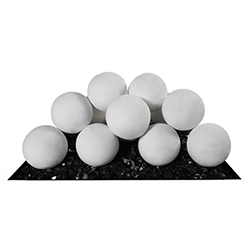
Also, if you like fire media—lava rock, glass beads, ceramic logs—you’ll have more options with propane and NG.
Want to learn how to pick the right fire media? This blog has everything you need to know.
Flame Feel: Sizzle, Sway, or Flicker
I’ve sat around all three, and here’s how I’d describe them:
- Propane: Bright, bold, makes that soft whooshing sound. My go-to for group hangs.
- Natural Gas: Slightly quieter, very consistent. Less dramatic, more reliable.
- Ethanol: Soft and low. Feels like sitting near a big candle.
It depends on your vibe. Are you looking for wow-factor? Or just a glow while sipping wine?
So, What’s the Best Fire Pit Fuel? (If You’re Asking Me)
If I had to give one-size-fits-most advice, it’d probably go like this: go with natural gas if you’re the type who hosts a lot and wants something always ready. It’s super consistent and once it’s hooked up, there’s zero maintenance. If you’re more like me during my early backyard days—rearranging furniture every season and working with a smaller space—propane is a solid pick. It gives off great heat, and the portability is unbeatable. And if you’re just looking for something stylish, clean, and not necessarily warm, ethanol fire features are kind of perfect, especially in modern apartments or design-first spaces.
I started with propane and honestly, it worked great. When we did a patio reno, we upgraded to natural gas, which felt like a luxury. And we still keep an ethanol burner stashed away for those mellow, low-effort evenings. Whatever you go with, just be sure you know what the pit is actually built for—I’ve seen too many folks buy a propane unit and try to hook it up to a gas line. Check your climate, figure out how often you’ll use it, and decide whether you’re chasing heat, ambiance, or both.
But here’s the truth: the fuel is only half the story. The real fire is in the moments you build around it—the late-night convos, the burnt marshmallows, the friends that never leave because the patio’s just too good. That’s what it’s all about.
If you still have questions or want to speak with a professional fire pit expert about which fuel type best suits your outdoor living space, give the Starfire Direct team a call—we’re here to help.
Fire on,
Eben
Outdoor Flame Enthusiast | Recovering Fire Pit Overthinker