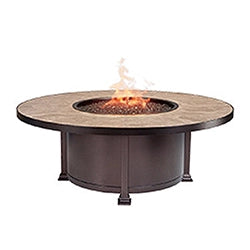







So, ethanol fire pits... eco-friendly backyard solution or just another failed attempt at a greener outdoor experience?
Well, if you went with option A (the eco-friendly answer), ding ding ding! Yes, fire pits fueled by bioethanol (an alcohol made from the sugars in plants like corn and sugarcane) produce between 43-90% fewer greenhouse gas emissions than fossil fuels over its lifecycle. Making them more much more eco-friendly than traditional wood or gas fire pits.
At the same time, there's more to this question than you might think. If bioethanol is better for the planet, will it still give you the heat and reliability you want from your fire pit? Why don't more people make the switch?
Choosing the right fuel for your space is one of the most important fire pit decisions you'll make. So, today you're getting the full implications of going with ethanol for your outdoor fire.
What You Need to Know Right Off the Bat
- Clean-burning flames: No visible smoke, no soot, no ash—though research shows some invisible emissions do occur.
- Renewable fuel: Bioethanol comes from plants such as corn and sugarcane, offering a renewable alternative to fossil fuels.
- Lower emissions: Significantly reduced particulate matter compared to wood fire pits, though exact percentages vary by study.
- Heat reality: Expect 15,000 to 20,000 BTU from most burners, with some reaching up to 28,000 BTU—cozy but not a full-on patio furnace.
- Use and safety: Ventless flexibility is a win, but follow manuals, keep ventilation in mind indoors, and check local rules.

So, What Exactly Are We Talking About Here?
Let's make sure we're all on the same page first. So, here's what an ethanol fire pit is and does. They're ventless fire features that burn bioethanol in a stainless-steel burner or ethanol burner box. You fill the reservoir, ignite with a long lighter, and then just relax.
You get real flames with no visible smoke, no ash cleanup, and dramatically reduced particulate emissions compared to wood burning. And since the combustion is relatively clean, there’s no chimney or flue to install. Giving you flexibility wherever you place it: patios, balconies, you name it.
But since ethanol fire pits do produce some trace emissions, make sure to check that the specific model is rated for your intended setting (proper ventilation is critical if you're using one indoors).


Why The Planet Will Thank You
From my perspective, the appeal starts with the fuel itself. Bioethanol is made by fermenting plant sugars and starches. Those crops absorb CO₂ while growing; when you burn the fuel, you release that carbon back. Over the full cycle, lifecycle assessments show 43-90% greenhouse gas reductions compared to gasoline, depending on production methods and feedstock sources. Spills don’t leave oily residue, and there are no mountains of ash to bag.
Models like the EcoSmart Fire Pod 40 Fire Pit Bowl and EcoSmart Fire Base 40 Fire Pit Table - Teak exemplify this clean-burning technology—you get the ambiance of real fire without the environmental guilt of burning fossil fuels or dealing with wood smoke pollution.
 The EcoSmart Fire Base 40 Fire Pit Table is a compact luxury ethanol fire pit delivering clean-burning warmth with refined teak style.
If you want to keep the environmental upside strong, choose reputable bioethanol sourced from plants with sustainable practices. Many manufacturers highlight responsible sourcing and efficient production to lower the fuel’s upstream footprint. If you want to know which commercial patio fire pit is best for your business right now, check out a fire pit business guide.
We've also done the hard part for you and chose a clean-burning, high-grade bioethanol online on our website here.
Let's Talk Numbers: How Clean Is Clean?
Ethanol combustion produces primarily carbon dioxide and water vapor, but research shows it also releases trace amounts of formaldehyde, benzene, nitrogen dioxide, and ultrafine particles—though at much lower levels than wood burning. When burned correctly with proper ventilation, these emissions remain within acceptable ranges for occasional use.
Typical comparison:
| Fuel type | Smoke | Particulates | CO₂ profile | Notes |
|---|---|---|---|---|
| Wood logs | High | High (50-100g PM/hr) | High, but biogenic | Adds soot, tar, odors, NOx, and other toxics |
| Propane/natural gas | None | Very Low (0.004 lbs/MMBTU) | Moderate, fossil-based | Efficient, cleanest fossil option |
| Bioethanol | None | Very Low | Low, plant-cycled | Trace VOCs and particles, needs ventilation |

A few practical comparisons:
- Wood fires emit 50-100 grams of particulate matter per hour in open fireplaces
- Natural gas produces 0.004-0.007 lbs PM per million BTU
- Ethanol produces minimal visible emissions but does release some ultrafine particles and VOCs
For patios, rooftops, or small urban yards, the dramatic reduction in smoke and visible particulates is a significant quality-of-life upgrade compared to wood burning. Whether you choose a compact option like the EcoSmart Fire Sidecar 24 Fire Pit Table for a balcony or the larger EcoSmart Fire Cosmo 50 Fire Pit Table for a spacious patio, you’ll enjoy cleaner air around your gathering space.
Where Does This Stuff Actually Come From?
What's crazy is that ethanol can be produced from corn, sugarcane, sugar beets, rice, potatoes, and even cellulosic sources like agricultural waste. Different regions lean on their strongest crops. The U.S. often uses corn, Brazil typically relies on sugarcane, and production occurs in numerous countries worldwide, diversifying supply and supporting ongoing improvements in sustainability.
This renewable fuel powers elegant pieces like the EcoSmart Fire Gin 90 Dining Height Fire Pit Table—perfect for dinner parties where you want ambiance without smoke wafting into your guests’ faces—or the stylish EcoSmart Fire Mojito 40 Fire Pit Table for cocktail evenings.

From our expert perspective, two sourcing notes matter:
- Feedstock choice: Fuels derived from waste streams or non-food cellulosic materials improve the sustainability story.
- Manufacturer transparency: When brands discuss how and where their fuel is produced, that’s a good signal. It tends to correlate with cleaner burns and less odor during ignition and snuffing.
But Will It Actually Keep You Warm?
Let’s talk warmth. An ethanol fire pit creates a decorative flame with modest heat. Most burners produce 15,000 to 20,000 BTU, with some high-end models reaching up to 28,000 BTU. The EcoSmart Fire Daiquiri 70 Fire Pit Table offers substantial warmth for larger gatherings, while the dramatic EcoSmart Fire Vertigo 50 Fire Pit Table provides both heat and a stunning visual centerpiece.
Let's put that into perspective: A healthy wood fire can surge well past that, and propane systems regularly land between 30,000-100,000+ BTU. So yes, ethanol delivers a comfortable glow for close seating, but it’s not built for deep cold or wide-open spaces.

A few tips from experience:
- Right-size the burner: A larger burner produces a taller flame and broader warmth, but still won’t match a high-BTU gas pit.
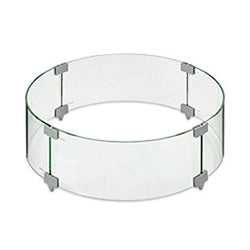
- Use wind guards and thoughtful placement: Shielding helps keep the flame steady, which improves real-world comfort.
- Expect steady burn times: Quality ethanol burners often run 5 to 10 hours per fill at moderate settings (verified by manufacturer specs).
Think of ethanol as a mood-setter that takes the edge off a cool evening rather than a primary heat source.
Why People Are Obsessed with Ethanol Fire Pits
Here’s why people fall in love with them:
- No visible smoke, minimal soot: That means no irritated eyes, no smoky hair, and no film on your glass railings.
- Ventless flexibility: No chimney, no gas line, no electrician. Use indoors or outdoors if the model is rated for the space and you follow ventilation guidance.
- Clean design: Minimal components, sleek lines, and plenty of design choices. The architectural beauty of the EcoSmart Fire Base 40 Fire Pit Table - Teak brings warmth to modern spaces, while bowl designs like the EcoSmart Fire Mix 850 Fire Pit Bowl offer 360-degree flame viewing.
- Low maintenance: No ash scooping or chimney cleaning. Wipe the burner, cap it, and you’re done.
- Renewable fuel: Bioethanol is a renewable biofuel made from plants, reducing reliance on fossil fuels.
- Consistent flame quality: A calm, bright flame without sparks, perfect near cushions, umbrellas, and outdoor furniture.
- Operating costs: While ethanol costs more per BTU than propane or natural gas (approximately $2.75 per hour), you save on installation costs and don’t need gas lines or tanks.

If you want portable ambiance that looks high-end and keeps the visible air clear, ethanol checks the boxes.
How Does It Stack Up Against the Old School Options?
A fire pit is an excellent patio upgrade, adding so much cozy ambiance. That’s why it’s important to know which features it offers.
| Feature | Wood fire pit | Propane or natural gas | Ethanol fire pit |
|---|---|---|---|
| Fuel & sourcing | Wood logs or pellets | Fossil gas | Plant-derived bioethanol |
| Emissions & mess | High smoke, soot, ash | Clean flame, fossil CO₂ | No visible smoke, minimal residue |
| Heat output | High | High to Very High | Low to Moderate |
| Installation | Simple bowl, open air | Pro install for lines or tanks | Ventless, often DIY-friendly |
| Maintenance | Ash removal, soot cleanup | Burner inspection, line checks | Wipe surfaces, store fuel |
| Safety profile | Sparks and embers | Pressurized gas considerations | Liquid fuel handling and storage |
| Aesthetic | Rustic campfire vibe | Modern fire table look | Modern, minimal, design-flexible |

Personally, I believe ethanol sits in the sweet spot for ambiance and convenience where smoke control and flexibility matter more than peak heat. For intimate gatherings, the EcoSmart Fire Pod 40 Fire Pit Bowl creates a cozy atmosphere, while the EcoSmart Fire Nova 850 Fire Pit Bowl makes a bold statement piece that rivals any traditional fire pit in visual appeal—minus the mess.
Okay, Let's Be Real About the Downsides
No product is perfect, including even the best ethanol fire pit. So, when friends and customers ask about them, I always make sure they know a few important details:
- Lower heat: If you need a serious heater, propane or natural gas wins. Ethanol is about glow and comfort within a few feet. Even larger models like the EcoSmart Fire Gin 90 Dining Height Fire Pit Table prioritize ambiance over raw heat output.
- Fuel handling: It’s a flammable liquid. Let the burner cool completely before refilling, use a funnel, and clean spills immediately.
- Indoor air considerations: Even relatively clean flames consume oxygen and produce some emissions. Research shows ethanol fires can produce formaldehyde up to 0.45 ppm and CO2 levels reaching 6,000 ppm in enclosed spaces. In small or tight rooms, crack a window and follow the manual’s time limits.
- Local rules: Some jurisdictions limit or ban ventless fireplaces. California has a statewide ban, and New York City prohibits them. Check codes if you plan to use one indoors or in multi-family buildings.
- Bright daylight visibility: Ethanol’s warm orange can look softer at noon on a sunny patio. A wind guard and darker media can help. The EcoSmart Fire Cosmo 50 Fire Pit Table includes design elements that enhance flame visibility even in bright conditions.
- Ongoing fuel cost: At around $11 per liter and $2.75 per hour of operation, ethanol is more expensive per BTU than gas options. Budget accordingly.

From our seasoned viewpoint, these concerns are manageable with common-sense use and a model rated for your space.
Can You Use Bioethanol Fire Pits Indoors?
This is one of the most frequent questions people ask. The short answer: yes, but only if the model is specifically rated for indoor use and you follow ventilation guidelines.
Ethanol fire pits are ventless, meaning they don’t require a chimney or flue. That’s what makes them attractive for apartments, condos, or homes without traditional fireplaces. However, burning ethanol still consumes oxygen and produces carbon dioxide, along with trace amounts of other emissions like formaldehyde or nitrogen dioxide.
Here’s what you need to know before using a fire pit indoors:
-
Indoor-approved models only: Look for UL or CSA certified ethanol fire pits that are specifically designed for indoor spaces. Outdoor-only units should never be used inside.
-
Ventilation matters: Always crack a window or provide airflow, especially in smaller rooms. This prevents CO₂ buildup and keeps oxygen levels safe.
-
Size the fire pit to the room: Larger burners put out more emissions. Manufacturers typically specify the minimum room size for safe operation, so follow those guidelines closely.
-
Local rules: Some regions such as California and New York City prohibit ventless fire features entirely. Always check your local building and fire codes.
Bioethanol fire pits can be used indoors when they are designed and certified for it. With proper ventilation, the right size for your room, and compliance with local regulations, they make a stylish and low-maintenance alternative to wood or gas fire features.
The Safety Fine Print (We'll Keep It Simple)
Ethanol fire pits are generally treated as decorative ventless appliances instead of primary heaters. But given that you're still dealing with open flames, you need to make sure you understand how to use fire pits and fire tables safely. Regulatory standards like UL 1370 and ASTM F3363-19 are great places to start, but you should make sure you know how to operate an ethanol fire pit properly in your space.
Models like the Sidecar 24 Fire Pit Table and Mojito 40 Fire Pit Table meet these standards while offering different size options for various spaces.

Good practices and checkpoints:
- Manufacturer ratings: Confirm indoor vs outdoor approval, minimum clearances, and maximum burn times.
- Listings and testing: Look for safety testing from recognized labs (UL, CSA) and follow the manual, especially for refueling and flame control.
- Local building and fire codes: Some places restrict ventless appliances. California and NYC ban them entirely. If in doubt, ask your local authority or installer.
- Fuel quality: Use bioethanol made for ventless fireplaces. It burns cleaner, smells better, and helps maintain burner components.
- Responsible placement: Stable, non-combustible surfaces, away from curtains and low canopies unless the unit is rated for that configuration.
Regulatory language continues to evolve, but the core remains simple: pick a certified product, install it per instructions, and use it with care.

A Friendly Wrap-Up
As I see it, ethanol fire pits offer cleaner burning than wood and more flexibility than gas for many U.S. homes. They dramatically reduce visible smoke and particulates, run on renewable bioethanol, and fit in places where chimneys or gas lines aren’t practical. The tradeoff is heat output and operating cost. If you keep that in mind, it’s hard not to smile at a clean orange flame that sets the mood without turning your patio into a smokehouse.
If you’re ready to browse styles, sizes, and burner configurations, you’ll find the complete EcoSmart Fire collection at Starfire Direct. From compact options like the Sidecar 24 Fire Pit Table to statement pieces like the Gin 90 Dining Height Fire Pit Table, there’s a perfect match for your space.
Pick the right size, plan your placement, ensure indoor units have proper ventilation, and keep a few bottles of quality bioethanol fuel on hand. At that point, all you have to do is light it, sit back, and enjoy the ambiance. And feel good knowing you've reduced your environmental impact and helped keep our air cleaner.