






You know, I used to think a commercial fire pit was just a nice-to-have. A pretty glow in the background while people sipped their drinks. But then I saw just how profitable it can be to add new seating and comfort options for a restaurant. We're talking about seriously impacting your business's bottom line in the long run.
If you’re a fellow business owner who’s ready to elevate your space, whether it’s a boutique hotel, tasting room, or rooftop bar... you’re in the right place. This isn’t theory. This is from Starfire Direct's decades of experience in the fire feature industry.
So, let’s walk through the essentials so you can make smart, lasting decisions.
Looking for a complete guide to commercial fire pits—covering designs, benefits, and installation tips? Read this blog to get expert insights before you buy or build.
Choosing the Right Type of Commercial Fire Pit

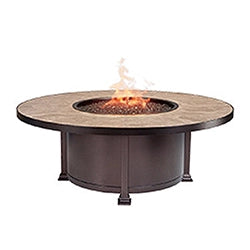
I’ve tried them all: wood-burning bowls that smell like heaven (until the wind shifts), sleek gas tables with built-in propane tanks, even ethanol burners that look gorgeous but don’t do much in January. What I’ve found is that the best type of fire pit for your business depends entirely on your setting, your staff’s ability to maintain it, and how your guests interact with the space.
Here’s a quick breakdown based on real-world use:
| Fire Pit Type | Pros | Cons | Best For |
|---|---|---|---|
| Natural Gas (NG) | Consistent heat, low operating cost, no tank swaps, clean burning | Requires professional installation, fixed location | Large patios, hotels, high-traffic lounges |
| Propane (LP) | Flexible placement, clean burning, add low operating cost | Tank refills, slightly higher fuel cost | Restaurants, rooftop bars, flexible event use |
| Wood-Burning | Maximum ambiance and heat, rustic charm | Smoke control, cleanup, local restrictions | Breweries, lodges, open-air patio |
| Ethanol | Stylish, vent-free, smoke-free, good for enclosed spaces, flexible placement | Low heat, expensive fuel, small flame | Indoor-outdoor lounges, visual ambiance only |
Choosing the Best Fire Pit Fuel — Propane, Natural Gas, or Ethanol? Read this blog to find out which option fits your space, style, and safety needs best.
My Take on the Fuel Types

Natural Gas is what I use at properties with a long-term plan. For example, the Starfire Designs Beton 55" Rectangle Gas Fire Pit has become my go-to for large courtyards. It hooks into the building’s gas line, looks polished, and guests never see the flame sputter. Flip a switch, and it’s ready to roll.

Propane models are super handy if you don’t have a gas line. I’ve been impressed with the Beton 42" Square Hidden Propane Tank Fire Pit. The hidden tank is a game-changer, clean look, no eyesores. Perfect for patios with tighter footprints. Just make sure your team remembers to swap out tanks. (I’ve definitely had a Saturday night fizzle out early because no one checked the fuel…)

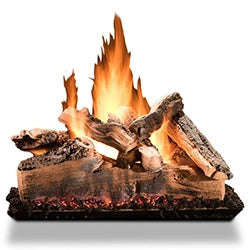
Wood-burning is romantic, nostalgic, perfect for cool-weather weddings. The Fire Pit Art Bella Vita is a showstopper: hand-crafted carbon steel that develops a gorgeous patina over time. But here’s the thing, wind is no joke. One breezy night, smoke chased our diners like mosquitoes. Lesson learned: don’t use wood pits where airflow is unpredictable. If you're going that route, check the EPA’s guidance on recreational fires to make sure you’re clear on-air quality rules and fuel requirements for your business.
Ethanol is… okay. Looks great, low-maintenance, but if I’m being honest, most models are more style than substance. You’re not getting serious warmth. We tried one at a gallery launch—it was lovely until people started inching closer for heat and realized it wasn’t delivering.
Products I Recommend (Because I’ve Used Them or Eyed Them Hard)

- Starfire Designs Beton 55" Rectangle Hidden Propane Tank Fire Pit – Clean concrete lines, integrated propane, enough heat for a 10–12 person lounge setup. I’d place this at the heart of any restaurant terrace.
- Fire Pit Art Scallop Fire Pit – Incredible sculptural design, great for boutique hotels. Expect to pay for it, but it’ll be the most photographed thing on your patio.
- Gravity Moreno 72" Copper Fire Pit – A total showstopper. If you’re running a rooftop bar or want your fire pit to double as a conversation piece, this one nails it.
Materials, Durability, and What to Watch For
Okay, so you’ve picked your fire pit type. Great. But here’s something I’ve learned the hard way, twice: material choice can make or break your investment. Especially in commercial use, where the pit’s dealing with weather, drinks being spilled, and that one guest who thinks putting their feet on the edge is fine.
Let me walk you through what I’ve come to prefer—and avoid.
Fire Pit Material Comparison Table
| Material | Pros | Cons | Best Use Case |
|---|---|---|---|
| GFRC Concrete | Durable, modern look, low maintenance | Heavy, may chip if dropped or hit | Hotels, resorts, wind-prone patios |
| Powder-Coated Steel | Stylish, lighter than concrete, various color options | Can scratch and rust if coating chips | Covered patios, seasonal usage |
| Stainless Steel | Stylish, corrosion-resistant, long life | Can discolor from heat, pricey, surface can be hot in the sun | Modern hotels, resorts |
| Copper / Corten Steel | Gorgeous patina over time, high design impact | Heavy, sometimes prone to discoloration if not maintained | Statement pieces, high-end venues |
| Natural Stone / Masonry | Custom look, can blend into landscaping beautifully | Can be labor-intensive install, permanent | Luxury estates, outdoor pavilions |
| Tile/Stone Inlay Tops | Adds decorative touch, matches patio finishes | Grout maintenance, fragile to freeze/thaw | Restaurants wanting design cohesion |
My Material Takeaways

Concrete (specifically GFRC) is now my default. That’s Glass Fiber Reinforced Concrete, which looks solid and timeless but isn’t quite as backbreaking as old-school poured slabs. It holds up against the elements, won’t corrode, and honestly just screams luxury when done right.
Case in point: I recently installed the Beton 42" Round Concrete Natural Gas Fire Pit in a coastal tasting room. Subtle texture, soft gray tone, and a flame ring that’s surprisingly efficient. I was nervous about salt air damage, but after a stormy winter and lots of wine-pouring weekends, it still looks showroom-new.
I’d avoid cheap steel unless it’s powder-coated well. And even then, only if the space is sheltered. I had a budget-minded client buy a cut-rate model online, and the base was already rusting within three months. Sure, you can touch it up, but it becomes a chore. If you go with steel, go with a reputable finish—Starfire Designs’ Gravity Concrete GFRC Fire Pit (72" x 38") is one that’s built like a tank but still sleek.
Now copper… oh man, I love copper. It’s warm, rich, and photographs beautifully, especially at golden hour. That said, not everyone wants the patina. I do, personally. I think it adds character, like a vintage leather chair. But if you want a clean, shiny finish year-round, know you’ll need to polish it.
The Copper Canyon Gas Fire Pit 60" x 32" from Starfire Designs is one of the few large-scale copper models that hits that sweet spot between performance and artisan feel. It’s not for every space—it’s a bit of a diva—but in the right setting? Absolute knockout.
Sizing, Layout, and What People Forget to Measure

This part’s not glamorous, but skip it and you’ll regret it—trust me. Sizing and layout are everything. I once installed a fire pit that looked incredible… right up until servers kept bumping into it while weaving through tight tables. The National Restaurant Association’s outdoor dining guide backs this up: over 90% of operators plan to keep outdoor seating, making fire pits a smart long-term move for enhancing customer experience.
Sizing & Layout Comparison Table
| Fire Pit Size | Seating Capacity | Best For | Example Product |
|---|---|---|---|
| 36"–42" Round/Square | 4–6 people | Small patios, intimate lounges | Beton 42" Round Propane Fire Pit |
| 55" Rectangle | 6–10 people | Restaurant patios, casual mingling zones | Beton 55" Rectangle Hidden Propane Fire Pit |
| 60"+ Linear Fire Pits | 10–16 people (or more) | Hotels, event venues, rooftop lounges | 10ft Copper Spartan Fire Pit |
Real Talk on Spacing
Measure the space after you place your furniture. Not before. That’s a mistake I made at a private club install. I had this gorgeous 72" rectangle fire table picked out, but once the cushioned seating went in? No one could pass behind the chairs without stepping off the pavers. Rookie move.
In general, I like to allow:
- 3 feet minimum clearance around the fire pit for chairs and foot traffic
- 5–6 feet minimum from any structure for gas (more for wood)
- 7 feet+ of open space above if under a pergola
Also, think about how your guests will use the pit. Do they sit and stay for hours? Then lean toward a coffee-table height like the Beton models. If they’ll be mingling, chatting, or standing around (think bar crowd), something taller or more linear like the Gravity 72x24 Moreno Copper Fire Pit adds structure without being in the way.
One more pro tip?
If you’re planning multiple fire pits on one property, vary the scale and shape. I’ve done projects where a large linear pit anchored the main patio, but we added 42" round bowls near garden paths for cozy, romantic nooks. The Beton 42" Round Natural Gas Fire Pit was perfect for that—just the right amount of flame, and no one had to mess with tanks out in the landscaping.
Installation, Safety, and Long-Term Maintenance
Let’s talk installation—the part where everything can go beautifully… or wildly sideways. I’ve done both.
If there’s one thing I learned early, it’s that fire pits aren’t plug-and-play, especially for commercial spaces. You’ve got to plan ahead: know your local codes, prep the surface, and seriously consider fuel access and safety before hitting “order.” I always recommend checking the U.S. Fire Administration's outdoor fire safety guidelines first—those 25-foot clearance rules alone can save you from some big headaches down the road.
Install Checklist Comparison Table

| Factor | Natural Gas | Propane | Wood-Burning |
|---|---|---|---|
| Permits Required | Yes, usually (especially for line installation) | Rarely, but always check local fire codes | Yes, usually (especially for line installation) |
| Surface Requirements | Non-combustible (concrete, pavers, etc.) | Same – avoid placing on wood without a barrier | Same, plus more clearance for sparks |
| Ventilation Needs | Open-air or semi-covered with proper clearance | Same | Open-air only |
| Maintenance | Clean burners, check ignition systems, test gas flow annually | Monitor tanks, clean, test connections and burners regularly | Clear ash after each use, watch for creosote buildup |
| Safety Equipment | Shut-off valve, emergency stop, extinguisher | Tank shut-off, storage compliance, extinguisher | Spark screen, metal ash bucket, hose nearby |
Installation Stories (AKA what not to do)
There was this time I ordered the Starfire Designs 72" x 38" Gravity Concrete Fire Pit for a venue in the high desert. Gorgeous piece. But no one realized the paver base wasn’t properly leveled. The thing weighed 300+ pounds and sat just slightly off-kilter. You don’t notice until there’s a martini glass sliding off the ledge and staff scrambling with coasters.
We had to shim it post-install and reseal the pavers. It was a mess. So, take it from me: level the surface perfectly before placing anything heavy, especially concrete.
Propane setups are easier to install, but make sure your team knows how to swap tanks safely. I once had a server turn the valve the wrong way and thought the flame died—until the whole pit whooshed on. No one was hurt, but I now insist on laminated cheat sheets in staff areas.
For natural gas, always hire a licensed plumber and plan for at least 2–3 weeks of lead time. That includes permits, trenching, and inspections. Worth every penny for long-term performance. Our Copper Canyon 60"x32" install in Santa Barbara cost nearly $1,800 in plumbing alone—but that thing lights like a dream every single time.
Safety Features That Actually Matter

A lot of people focus on the design and totally skip over this. Don’t be one of them.
If there’s open flame on your patio, especially with customers milling around, you need guardrails, both literally and figuratively.
Here’s what I always look for:
- Flame-Sensing Thermocouple: If the flame goes out, the gas stops. Non-negotiable for safety.
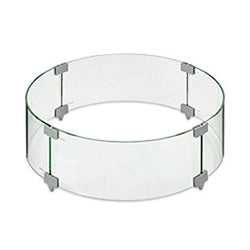
- Glass Wind Guards: On anything gas-
powered, especially on breezy rooftops. Keeps the flame steady and acts as a barrier for guests leaning too close. - Timer or Auto Shut-Off: Great for hotels. Set it and forget it.
- Emergency Gas Shut-Off: Especially important for large units like the 10ft Copper Spartan Gas Fire Pit. If something goes wrong, you need to kill the gas immediately.
- Spark Screens (for wood pits): Fire Pit Art’s Barefoot Beach Fire Pit comes with options for accessories like this, and trust me, you want it when that first dry leaf hits the flame.
And one of my oddball but practical tips? Keep a metal marshmallow skewer nearby. Sounds silly, but I’ve used mine dozens of times to move fire media, dislodge debris, or nudge a log safely. It’s saved my fingers and a few pants legs.
Maintenance Tips for the Long Haul

Once the fire pit is in, the real work begins, because maintenance is what separates the Instagrammable patios from the “out of order” signs.
Here’s my simplified checklist:
Maintenance Breakdown Table
| Task | Gas/Propane | Wood-Burning |
|---|---|---|
| Daily/Weekly | Clear debris, check ignition, wipe exterior | Scoop ash, clear grates, clean surrounding area |
| Monthly | Inspect hoses, tighten fittings, brush burner ports | Inspect spark screen, touch-up paint if needed |
| Seasonally | Reapply concrete sealant (if applicable), test shut-off valve | Clean soot, reseal stone, inspect pit floor for damage |
| Annually | Professional burner inspection, replace batteries in igniters | Check for structural cracks, recoat metal if applicable |
Also—covers. I can’t stress this enough. Leaving your pit uncovered is basically inviting leaves, moisture, and raccoons to throw a party in it. I learned that the hard way last December when I forgot to cover the Beton 55". We had a storm. The burner ports were filled with pine needles and water. Spent 2 hours drying it out with a hairdryer. Never again.
What should you know before buying your first fire pit cover? Learn more in this blog—from sizing tips to weather protection, it’s everything I wish I knew starting out.
Invest in a heavy-duty, fitted cover that actually breathes. Vinyl’s fine, but if you’re in a humid or coastal climate, I’d upgrade to a breathable polyester blend with vents. Starfire Direct has good options sized exactly for their products—worth every dollar.
Experience Matters: Creating That Signature Fire Moment
 The Fire Pit Art Barefoot Beach Fire Pit features a coastal-inspired, handcrafted design that brings artistic flair and warmth to luxury commercial waterfront spaces.
Here’s the thing about commercial fire pits outdoor: they’re more than heat. They’re memory-makers. And in luxury hospitality, that’s everything.
I’ve seen it time and again: the fire pit is where the Instagram photo gets taken. Where guests propose. Where they order “just one more round.”
So don’t just buy a fire pit, design the moment around it.
What works:
- S’mores kits at boutique hotels
- Blankets stored in a basket beside the fire
- Signature cocktails designed “for fireside sipping”
- Lighting pathways leading to the fire zone for ambiance and safety
The fire becomes the hub. Not a backdrop.
You can even brand it subtly. One client laser-cut their logo into the side of a copper fire bowl (custom order, yes—but talk about lasting impression). That was a Fire Pit Art Fire Surfer model, by the way. Wild design. Not for everyone, but guests never forget it.
Final Thoughts: What I’d Tell a Fellow Business Owner
If we were sitting over drinks right now, here’s what I’d say:
Start with Starfire Direct. Their product line hits every tier—sleek propane tables for mid-size restaurants, 10-foot copper monsters for hotel courtyards, and sculptural wood pits that belong in art galleries. Their team knows fire. I’ve never had an order arrive late or a burner underdeliver.
And whatever you choose, plan it like it’s permanent. Because once the fire pit goes in? It becomes the heartbeat of your space.
One last recommendation: if you can afford it, splurge a little. That extra $500–$1,000 usually buys better heat control, thicker materials, and longer warranties. Guests might not notice the difference immediately—but your staff will, your photographer will, and six months from now, you definitely will.