







Updated November 2026
A fire pit or fire table is the heart of any outdoor living space. So when you hear that click-click-click and nothing happens, it can put a real damper on your evening. The good news: most of the time, the fix is simple, and you can find it in a few minutes.
In this guide, we’ll help you match your symptom to the most likely cause, walk through the right way to light a gas fire pit or fire table, and cover the ten most common reasons it won’t light or stay lit.
Safety first: If you smell gas, stop. Turn off the gas at the tank or supply valve, don’t try to light anything, and let the area air out. If the smell is strong or doesn’t go away, move away from the area and call your gas utility or 911. Always let a fire feature cool completely before working on it.
Quick Diagnosis: What’s Your Fire Pit Doing?
| Symptom | Most Likely Causes | Start Here |
|---|---|---|
| No click or spark at all | Dead battery, loose or corroded igniter wire, failed igniter | Ignition system |
| Clicking or sparking, but no flame | No gas reaching the burner, tripped tank safety valve, air in the line, igniter out of position, wind | Tank safety valve and air in the line |
| Lights, then goes out when you let go of the knob | Thermocouple not heated, dirty, or out of position | Thermocouple |
| Won’t stay lit after a few minutes | Thermocouple, low or cold propane tank, wind, media blocking the burner | Thermocouple and fire media |
| Very small or weak flame | Tripped tank safety valve, low tank, clogged burner or orifice, wrong or faulty regulator | Tank safety valve and clogged burner |
| Brand-new fire pit won’t light | Air in the new line, missing part such as an air mixer, connection issue | Incomplete installation |
How to Light a Propane Fire Pit (the Right Way)
A surprising number of “won’t light” problems come down to the lighting sequence. Always follow your manufacturer’s instructions first, but here’s the general process.
Push-Button or Electronic Ignition
- Make sure the fire pit’s control knob or switch is off.
- Open the propane tank valve slowly, about a quarter to a half turn at first, then the rest of the way. (Opening it fast can trip the tank’s safety valve. More on that below.)
- Push in and turn the control knob to ignite, or press the igniter button while holding the knob in.
- If your fire pit has a thermocouple, keep holding the knob in for 30–60 seconds after the flame lights, then release slowly.
- Adjust the flame height.
Match-Lit Burners
- With the gas off, light a long fire pit lighter or wand and hold the flame at the burner.
- Then slowly open the gas valve until the burner catches.
If it doesn’t light within about 5 seconds, turn the gas off and wait at least 5 minutes for any gas to clear before trying again. Never lean over the burner while lighting.
10 Reasons Your Fire Pit or Fire Table Won’t Light
1. Empty or Low Fuel Supply
It sounds obvious, but it’s the most common culprit. Check that your propane tank actually has fuel and that the tank valve is fully open. A tank gauge or simply weighing the tank (an empty 20 lb tank weighs about 17 lbs) tells you quickly. For natural gas, confirm the supply valve to the fire pit is open and that your other gas appliances are working.
Pro Tip: Keep a spare propane tank on hand so you’re never caught off guard.

2. The Tank’s Safety Valve Has Tripped (Propane Fire Pit “Not Getting Gas”)
If your tank is full but your fire pit acts like it’s empty, with no flame or a tiny, weak flame, this is probably why. Most propane tanks and regulators have an excess flow safety device that restricts gas when it senses a sudden rush of flow, as if a hose had broken. It’s easy to trip by accident by opening the tank valve too quickly or by having the fire pit’s control open when you turn on the tank.
To reset it:
- Turn the fire pit’s control knob or switch off.
- Close the propane tank valve completely.
- Disconnect the regulator from the tank and wait about a minute.
- Reconnect the regulator and hand-tighten it.
- Open the tank valve slowly, a quarter turn at a time.
- Light the fire pit using the steps above.
3. Air in the Gas Line
On a brand-new fire pit, after a tank swap, or after the fire pit has sat unused for a while, the gas line can be full of air. Gas has to push that air out before it reaches the burner, so the igniter clicks with nothing to light. Hold the control knob in a little longer while you try to light it, giving the gas time to reach the burner. If it still won’t catch after several seconds, turn it off, wait 5 minutes, and try again.
4. Ignition System Problems
First, figure out which problem you have:
- No click or spark at all: Replace the battery in your spark igniter or electronic ignition module. Then check the igniter wire for loose, disconnected, or corroded connections.
- Clicking, but no visible spark at the burner: The igniter tip may be dirty, cracked, or out of position. Clean the tip gently and make sure it sits where the manufacturer specifies, close to the gas outlet.
- Visible spark, but no flame: The ignition system is working, so the problem is gas. Go back to the tank safety valve and air-in-the-line steps above.
Watch: The differences in fire pit ignition systems, on the Starfire Direct YouTube channel.
5. Thermocouple or Safety Shutoff (Fire Pit Won’t Stay Lit)
Many gas fire pits use a thermocouple or flame sensor, a small safety device that keeps the gas flowing only when it senses a flame. If your fire pit lights but goes out as soon as you release the knob, or shuts off after a few minutes, the thermocouple is the first thing to check.
- Hold the knob longer. The thermocouple needs 30–60 seconds in the flame to heat up.
- Check its position. The tip should sit directly in the flame. Fire media piled over it, or a bent bracket, can keep it from heating.
- Clean it. Once cool, gently clean soot or corrosion from the tip with fine steel wool.
- Replace it if needed. Thermocouples wear out over time. If it’s clean, in the flame, and still won’t hold, it likely needs replacing. Find the right part in our fire pit components collection.
Some fire pits also have other safety shutoffs, such as tilt switches or high-temperature cutoffs. Check your manual for how to reset them.
6. Incomplete Installation
If you’re building your own DIY fire feature, it’s easy to overlook one of the parts or fittings required for safe operation, and any missing piece can keep it from lighting. For example, propane fire pits using our burners require an air mixer, which blends air with the gas so it burns properly. Not sure what you need? Speak with one of our NFI Certified team members, who can help you find the right fire pit parts.

A fire pit air mixer must be set up correctly for your fire feature to ignite propane.
7. Gas Line or Regulator Problems
A kinked, damaged, or improperly connected gas line can restrict fuel flow. A faulty or wrong regulator can do the same. Inspect hoses and connections for kinks, cracks, and loose fittings, and test any connection you’ve touched with soapy water. Bubbles mean a leak: turn off the gas and fix it before using the fire pit.

Here’s a helpful video showing how to check for a gas leak:
8. Clogged Burner Ports or Orifice
If your fire pit sat unused for the off-season, or even a few weeks, dust, debris, and especially spiders and insects can clog the burner ports and orifice. Spiders are attracted to the odorant added to propane and love to build webs inside gas tubes. With the gas off and everything cool, clear the ports with a soft brush or compressed air and make sure the orifice is clean.
9. Fire Media Problems
Your fire glass or lava rock can cause ignition trouble too:
- Too much media. Piling media too deep over the burner can smother the flame and block the igniter or thermocouple. Follow the manufacturer’s recommended depth.
- Covered igniter or thermocouple. Keep the pilot assembly, igniter tip, and thermocouple clear of media.
- Wet media. Rain-soaked media and burner pans can keep a fire pit from lighting. Let everything dry out first, and use a fire pit cover to keep water out.

Want to get media right? Read our ultimate guide to outdoor fire pit media.
10. Wind, Moisture, and Cold
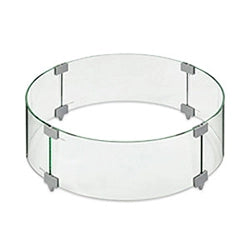
A strong breeze can blow the gas away from the igniter before it catches, or snuff out a small flame. A glass wind guard protects the flame and helps it light reliably on breezy evenings.
Cold weather matters too. Propane pressure drops as temperatures fall, and a tank that’s nearly empty or very cold may not deliver enough gas for a full flame. Keep tanks reasonably full in winter, and make sure the burner and ignition system are dry before lighting.

When to Call a Professional
If you’ve worked through these steps and your fire pit or fire table still won’t light, it’s time to call a certified technician. Call right away if you smell gas that doesn’t go away, find a leak, or need to work on gas lines, valves, or electrical components.
Important: Starfire Direct always recommends consulting a professional before attempting any installation, repair, or modification to your fire feature, especially when working with gas lines or electrical components.
For more on why professional installation matters, read Why Should I Hire a Professional Installer?
Fire Pit Troubleshooting FAQs
Why is my propane fire pit not getting gas?
If the tank isn’t empty, the most common cause is a tripped excess flow safety device in the tank or regulator. Turn the fire pit off, close the tank valve, disconnect the regulator for about a minute, reconnect it, and open the tank valve slowly. Air in the line, a kinked hose, or a clogged orifice can also stop gas flow.
Why does my fire pit click but not light?
Clicking means the igniter is working, so gas usually isn’t reaching the burner. Check the tank level, reset the tank’s safety valve, and hold the knob longer to push air out of the line. If you don’t see a spark at the burner, clean and reposition the igniter tip.
Why won’t my gas fire pit stay lit?
Most often, it’s the thermocouple. Hold the knob in for 30–60 seconds after lighting so it can heat up, make sure it sits in the flame and isn’t covered by media, and clean or replace it if needed. Wind and a low or cold propane tank can also cause it.
How do I light a propane fire pit?
Turn the fire pit control off, open the tank valve slowly, then push and turn the control knob (or press the igniter) to light it. If it has a thermocouple, hold the knob in for 30–60 seconds before releasing. If it doesn’t light within about 5 seconds, turn it off and wait 5 minutes before trying again.
How do I reset my propane fire pit?
Turn the fire pit off, close the tank valve, disconnect the regulator from the tank, wait about a minute, reconnect it, and open the tank valve slowly before lighting. This resets the excess flow safety device.
Why is my fire pit flame so low?
A tripped tank safety valve, a nearly empty or cold tank, a clogged burner or orifice, or a faulty regulator are the usual causes. Here’s how to get the biggest flames from your propane fire pit.
Helpful Products and Accessories
- Fire Pit Components: Replacement igniters, thermocouples, burners, and fittings.
- Glass Wind Guards: Keep your flame steady on breezy nights.
- Fire Pit Covers: Keep out rain, debris, and pests.
- Fire Glass: Refresh your media for a cleaner look and burn.
- Fire Pit Accessories: Everything else for your fire feature.
For more on protecting your fire feature, read Choosing the Right Fire Pit Cover: The Patio Buyer’s Guide.
Related Articles and Videos
- How to Get the Biggest Flames from Your Propane Fire Pit
- Why Does My Fire Pit Need to Be Vented?
- The Ultimate Fire Pit Table Buyer’s Guide
- Fire Pit Buying Guide
- Starfire Direct YouTube Channel: Helpful videos on fire pit troubleshooting, maintenance, and safety.
At Starfire Direct, we’re committed to helping you create an outdoor space you’ll love. If you have questions or need help finding the right part, contact our team for expert advice.
Ready to upgrade? Shop our full selection of gas fire pits, fire tables, and accessories.
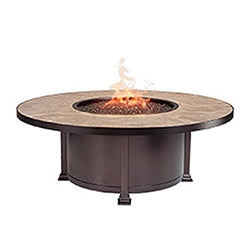
Main image: Starfire Designs Cono Moreno Copper Fire Pit, a versatile fire pit for any outdoor patio.