






Fall patios are getting a real refresh this year. For the last few seasons, the go-to look was cool grays, matched furniture sets, and a fire pit added almost as an afterthought. 2026 flips that order: designers are starting with warmth (warm color, warm materials, warm light) and building the rest of the patio around it.
This guide walks through that shift step by step: the color story driving fall patios this year, how to treat your fire feature as the anchor of the whole layout instead of an accessory, why mixed materials are replacing matched sets, and the lighting, texture, and maintenance details that pull it all together. Where it's useful, we've pointed to specific pieces from our own catalog, particularly Harmonia Living's deep-seating collections paired with a Beton concrete gas fire pit, which is a pairing we recommend for fall.
The 2026 Fall Patio Quick Guide
Short on time? Here's the season in five moves:
- Start with the fire feature, then arrange furniture around it, not the other way around
- Warm up your neutrals: clay, terracotta, sand, and olive replace the cool grays of recent years
- Mix textures instead of matching everything: pair a woven chair with a slatted teak loveseat
- Design in zones, not rows: lounge, dining, and cooking areas each get their own footprint
- Layer your light in tiers: string lights, lanterns, candles, and path lights working together

The 2026 Color Story: Warm Neutrals, Rich Accents
The biggest shift this year is in the base palette, not the accent colors. Rust, amber, and burgundy are still the accent notes that say "fall," but the neutral underneath them has changed: clay, terracotta, sand, and soft olive are replacing the cooler grays that have dominated outdoor furniture for the past few seasons, often grounded with a warm, chalky white rather than a stark one. Pantone's 2026 Color of the Year, Cloud Dancer, is a useful reference point if you want a name for it. If you want the accents to lean more current, chocolate, oxblood, and deep burgundy layer just as well against this same warm-neutral base as rust and amber do.
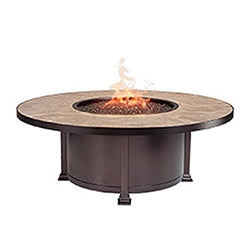
Frame finishes are shifting the same direction. Matte black and charcoal aluminum remain popular because they bridge bold and warm equally well, while warm-toned wood and aged bronze accents are showing up more often as the primary frame material rather than just trim. A pale, matte concrete gas fire pit, like Starfire's Beton line, fits naturally into this palette: it reads as a warm neutral rather than a cold one, so it sits comfortably at the center of a rust-and-amber color scheme instead of competing with it.

Anchor the Space Around Fire
The single biggest layout change we're seeing for 2026 is designers choosing the fire feature first and building the seating plan around it, rather than picking furniture and squeezing a fire pit in wherever it fits. It's a small change in sequence that makes a real difference: a patio designed around its fire feature tends to have tighter, more natural conversation circles, because the seating was arranged to face the thing everyone's actually looking at.
This is exactly why our design team keeps recommending Harmonia Living's deep-seating collections bundled with a Beton concrete gas fire pit. The fire feature and the seating are sized and staged together from the start, so you're not solving that puzzle yourself.

| Bundle | Best For |
|---|---|
| Beja 5-Piece Deep Seating Conversation Set with Fire Pit | Large patios: oversized teak club chairs built for lingering |
| Campo 4-Piece Deep Seating Loveseat Set with Fire Pit | Aluminum frame, lighter to reconfigure for different gathering sizes |
| Ando 5-Piece Conversation Set with Fire Pit | A space-efficient teak set that still seats four comfortably |
See the full range in our patio furniture collection.
Mix Materials Instead of Matching Them
The matched five-piece set is losing ground to something a little more layered: a woven or roped chair next to a slatted teak loveseat, or an aluminum frame paired with a concrete fire table rather than a metal one. The materials still need to perform (teak for natural weather resistance, powder-coated aluminum with stainless fasteners for salt air and harsh winters, quick-drying performance fabric for cushions that won't stay soggy after an afternoon shower), but they no longer need to be identical to look intentional.
Harmonia Living's collections already lean this way by design: a club chair silhouette paired with a loveseat or sofa gives you two related but distinct forms in one bundle, which is a big part of why they photograph so well against this year's warmer palette.
Design in Zones, Not Just Rows
Rather than lining furniture up in a single seating row, this year's layouts define separate zones for lounging, dining, and cooking, each with its own footprint, marked out with a rug, a cluster of planters, or simply a change in furniture height. A few zone layouts that consistently work:
- A U-shape around the fire for the lounge zone, the natural shape a 5-piece conversation set falls into
- A compact sectional plus one extra chair and a round side table where the lounge zone has to share space with dining
- A separate cart or console for drinks, keeping traffic out of the main conversation circle
Keep walking paths clear between zones, especially once you're relying on lantern light instead of daylight to move around, and keep a side table or ottoman within arm's reach of every seat. Functional pieces can double as decor here too. A round propane tank cover, for instance, works as a side table while it hides the tank.

Layer Your Light for Longer Evenings
Good fall lighting is rarely one fixture doing all the work. It's several types layered at different heights and brightness levels:
| Element | What It Adds |
|---|---|
| String lights | Warm, café-style glow overhead |
| Lanterns | Flickering ambiance on tables and steps; LED candles hold up in wind |
| Candles | Intimate close-up light; citronella versions do double duty against bugs |
| Path lights | Safe footing and soft definition along walkways |
If you're adding solar path lights, a few practical notes: they need at least six hours of direct sun to charge fully, warm-white bulbs (2700–3000K) will match this year's warmer palette better than a cool white, and spacing fixtures 6–8 feet apart gives even, unbroken illumination along a path.

Gas Fire Pits vs. Patio Heaters: Choosing Your Heat Source
Fire pits bring the visible flame, warmth, and a natural focal point discussed above. Wood-burning is the classic experience; a gas fire pit, whether propane or natural gas, trades a little of that ritual for instant ignition and a cleaner burn (our guide to choosing the best fire pit fuel breaks down the differences). That's exactly why Beton pairs naturally with Harmonia Living furniture this year. Its architectural, concrete-look profile reads as modern rather than rustic, so it sits comfortably with clean-lined teak and aluminum frames.
Patio heaters are the better fit when you need broad, even warmth across a larger seating area, or when local rules limit open flame. Café-style towers cover more ground; tabletop models keep a spot warm right where people are setting down a drink. Position any heater behind or beside the seating rather than directly in front of it, and always follow the manufacturer's clearance guidance. Not sure which type fits your space? See our patio heater buying guide.
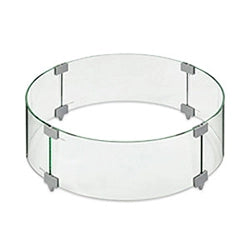
Whichever you choose, a few safety basics carry over every year: check your local burn regulations before lighting anything, measure clearance from pergolas, eaves, and umbrellas, keep heat sources away from anything flammable, and position fire features out of direct wind wherever possible (a glass wind guard helps when you can't).
Finish With Texture: Textiles, Plants & Seasonal Decor
Once the layout, materials, and heat source are settled, the finishing layer is what actually makes a patio feel considered. A basket of throws and blankets near the seating area does more for a gathering than almost anything else on this list. It keeps people from being the first to say they're cold and heading in early.
For plants, cold-tolerant mums, asters, and ornamental kale hold their look through fall's temperature swings; in warmer, drier climates, native sages, ornamental grasses, and low-water succulents read as seasonal without fighting the local climate. For decor, a few low-effort moves go a long way: stack pumpkins in varied sizes rather than lining them up, use a few white pumpkins as a color break against the oranges, add a wreath to a fence or gate, and cluster lanterns on the table instead of spacing them evenly.

Simple Fall Maintenance
A short seasonal routine keeps everything looking good as the weather turns:
- Leaf patrol: sweep or blow leaves off furniture and decking regularly. Wet leaves stain fabric and wood, and they're a slip hazard on steps.
- Storage: use weather-resistant furniture covers, and bring non-all-weather cushions into a deck box before the first real rain
- Cleaning: wipe down tables, check metal frames for early rust spots, and reseal wood before the wet season sets in
- Safety: use outdoor-rated extension cords only, secure any outdoor rugs against wind, and keep the area around your gas fire pit clear of leaves and debris
Start Building Your 2026 Fall Patio
If you take one thing from this guide, let it be the sequencing: choose your fire feature first, then build color, materials, zones, and light around it. That order is the real difference between a patio that looks fall-ready and one that just has a few seasonal accents scattered on top of last year's layout. And when the temperatures keep dropping, our winter patio design guide picks up where this one leaves off.
If you want a second opinion on furniture, gas fire pits, or how it all fits together on your specific patio, our team is a phone call or chat away. We're always happy to talk it through.
Ready to plan your fall patio? Browse our patio furniture collection, or contact Starfire Direct for personalized design advice.