






Is it really too much to ask for style, simplicity, safety, and warm ambiance with none the headaches or maintenance required by traditional fireplaces? With today's electric fireplaces, it's absolutely not too much to ask.
So, what do these electric wonders get you? No more chopping, storing, or log clean-up. No more worrying about gas emissions and chimney maintenance. Electric fireplaces are easy to operate, fit into a wide variety of rooms and styles, and are safer for kids or pets.
Knowing how to shop for the best fireplace of any type can be tricky. And electric models have their own unique quirks you'll want to understand before you hit "Buy".
So to help you make the best electric fireplace for your home or space, the Starfire Direct team has compiled all the important information, stats, insights, and suggestions.
Quick Tips For Buying Electric Fireplaces
- Measure the room & match BTU or watts. Many living rooms feel good near 5,000 BTU or 1,500 watts.
- Pick the right electric fireplace type. Wall mounted, freestanding, built in, and insert serve different layouts.
- Find the features that work for you. Efficiency, realistic flames, a thermostat, timers, and safety features like auto shut off and cool touch glass.
- Carefully plan the unit's placement around outlets, furniture, and any TV. Keep clearances so air can move (and electronics don't overheat).
- Then consider your total, longterm cost. Upfront price matters, but operating cost is modest and many owners report lower winter bills with proper zone heating.

Electric Fireplaces: What to Know
You've got a lot of little details to know about these units. On the plus side, you've got the Starfire Direct team. We've distilled it all down to what's most useful to you (ya know, as a savvy, discerning buyer).
Most homeowners end up choosing a 1,500-watt unit to generate enough heat for their living rooms or bedrooms. You also have different types: wall-mounted, freestanding, or insert styles that can be chosen based on your available space or usage.
But why electric over gas or wood? With about 99 to 100 percent efficiency and no venting required, electric fireplaces deliver more usable heat per dollar than wood or gas while eliminating chimney cleaning, carbon monoxide risks, and permits.
So, what decisions should you be thinking about first?
- Start by trying to match BTU output to your room size and climate - 5,000 BTU suits most spaces under 500 square feet
- Figure out what size you need for your space - you'll want 3 feet front & 1.5 feet on the sides
- Decide what features are most important to you, like thermostats, timers, and adjustable flames.

Types of Electric Fireplaces
You can find four main styles in the growing world of electric fireplaces. So, which one is best? Well, each can be the right choice depending on your room and how you like to live.
Wall mounted. Art that warms the room, hangs on a wall, and saves floor space. Good for modern spaces and condos. Mount to studs and follow your clearance guides. If heat vents from the top, avoid placing under a TV or outlet. Front or bottom venting pairs better with a TV.
Freestanding. Sits on the floor and plugs into a standard outlet. Easiest to set up and to move. Works in corners, offices, and rentals. Leave a tidy walkway and space for airflow.
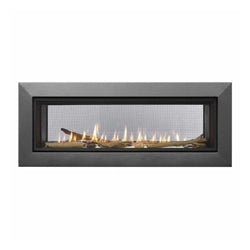
Built in or linear. Recessed into a wall for a sleek look. Often very wide for media walls. Some are hardwired and may need a dedicated circuit. The result looks custom and seamless. Modern options like the Remii Extra Slim Indoor/Outdoor Built In offer versatile installation for covered patios or living rooms, while the Remii Deep Indoor/Outdoor provides more dramatic flame depth for feature walls.
Insert. Slides into an existing wood or gas opening. Keeps the mantle look while adding clean operation and steady heat. Match cavity size, including depth, and plan the cord route.

Fireplace Features That Make All The Difference
Electric fireplaces are hardly one-size-fits-all. Those little additions, from varying flame brightness to safety features, are what make you really love a great fireplace. So, which ones are amazing, and which ones are merely 'meh'. I guess that's for you to decide.
Flame effects. Many units offer adjustable brightness, speed, and color. Glowing logs and embers feel traditional. Glass or crystal beds suit modern rooms. Flame only mode works for warm seasons.
Heat settings and thermostats. Most provide two heat levels and a built in thermostat. High is often 1,500 watts, roughly 5,118 BTU (the precise conversion). The thermostat cycles heat to hold temperature. Timers help with auto shut off.
Remote and noise. A basic remote should handle power, heat, brightness, and a timer. Extra flame colors are a bonus. A quality fan is a gentle hum. For bedrooms, look for quiet operation.
Safety features. Look for auto shut off, overheat protection (typically shutting down at 176°F), cool touch glass, and a tip over switch on freestanding units. Check safety listings.
Installation notes. Decide on plug in or hardwired. Plan the cord path and outlet location. For wall mounts, use the bracket and studs (mandatory for units weighing 50-200 pounds). For built ins, review framing and clearances. Premium built-in models like the Remii series offer both installation options—plug-in for simpler retrofits or hardwired for cleaner, code-compliant permanent installations. Their slim profiles (some requiring just 3-4 inches depth) solve common retrofit challenges where wall cavity space is limited.
When the dust settles, you should look for quality-of-life features that will really elevate the way you want to use your electric fireplace. A precise thermostat instead of simple high or low, a sleep timer for overnight comfort, a child lock, or memory features so it powers up with your preferred scene.
Enthusiasts will appreciate separate controls for flame height and ember bed brightness, plus anti-glare glass or a matte bezel to cut reflections. Take your electric fireplace from a novelty into a nightly habit.

Size and Placement
Two choices matter most. One is visual scale; the other is heating reach. On scale, match the width of your electric fireplace to the wall or furniture. A 36 inch unit can anchor a small alcove. A long linear unit can anchor a media wall. Aim for balance so it looks intentional.
Room Size and Heating Requirements Table
| Room Size | Local Climate | BTU Needed | Recommended Wattage | Coverage Notes |
|---|---|---|---|---|
| 150-250 sq ft (bedroom, office) | Cold | 7,500-15,000 | 1,500W standard | May need supplemental heat in extreme cold |
| Moderate | 5,250-11,250 | 1,500W standard | — | |
| Warm | 4,500-8,750 | 1,500W standard | Fireplace is often unnecdessary, use thermostat | |
| 250-400 sq ft (living room) | Cold | 12,500-24,000 | 2,500W (240V) or dual 1,500W | Consider hardwired unit |
| Moderate | 8,750-18,000 | 1,500-2,500W | 1,500W works for zone heating | |
| Warm | 7,500-14,000 | 1,500W standard | Single unit sufficient | |
| 400-600 sq ft (great room) | Cold | 20,000-36,000 | Multiple units or central heat | Use for ambiance + supplemental |
| Moderate | 14,000-27,000 | 2,500-3,000W (240V) | Zone heating recommended | |
| Warm | 12,000-21,000 | 1,500-2,500W | Focus on occupied areas |

Electric Fireplace Placement Requirements & Clearances
| Minimum Requirement | Optimal Setup | Safety Notes | |
|---|---|---|---|
| Front clearance | 3 feet | 4-5 feet | Keep walkways clear |
| Side clearance | 1.5 feet | 2+ feet | Allow air circulation |
| Mantel clearance | 2 inches | 6+ inches | Prevents heat damage |
| TV above unit | 8 inches + heat deflector | 12+ inches or side venting | Check vent direction |
| Mounting height | 12 inches from floor | Eye level when seated (42-48") | Consider viewing angle |
| Outlet distance | Within 6 feet | Directly behind or beside | Never use extension cords |
| Wall material | Drywall on studs | Reinforced mounting | 50-200 lb units need studs |
Special Consideration for Outdoor Installations: If you’re planning an installation in a covered patio, three-season room, or any space exposed to moisture, choose models specifically rated for indoor/outdoor use.
The tables above show that room size alone doesn’t determine your heating needs—a 1,500-watt unit that perfectly heats 400 square feet in Phoenix might struggle in Minneapolis, with actual requirements ranging from 30 to 60+ BTU per square foot based on climate and insulation. Proper clearances aren’t just safety requirements; restricted airflow reduces efficiency and triggers overheat protection, shutting down your unit when you need it most, so always prioritize the recommended spacing over aesthetics.

Heating Capacity & Efficiency
Don't think of an electric fireplace as a space heater. Yes, it will help keep your space warmer. But one area it really excels is zone heating. You warm the room you're in... not the whole house.
Another area these fireplaces excel? Bringing stunning style to your space! Discover the best small electric fireplaces that create perfect warmth and ambiance for your cozy living spaces.
Power & Heating Output Comparison
| Voltage | Wattage | BTU Output | Coverage Area | Best Application | |
|---|---|---|---|---|---|
| Compact/Portable | 120V | 750W (low) | 2,559 BTU | 150-200 sq ft | Small bedrooms, offices |
| Standard Plug-in | 120V | 1,500W (high) | 5,118 BTU | 400-500 sq ft | Living rooms, dens |
| Dual Heat Settings | 120V | 750W/1,500W | 2,559/5,118 BTU | 200-500 sq ft | Flexible zone heating |
| Commercial/ Hardwired |
240V | 2,500W | 8,530 BTU | 800-1,000 sq ft | Large spaces, primary heat |
| High-Output | 240V | 3,000W+ | 10,236+ BTU | 1,000+ sq ft | Open floor plans |
Electric fireplaces are impressively energy efficient, achieving 99-100% efficiency by converting electricity directly into heat (no heat loss through venting). And they can reduce energy cost by more than 20% through strategic use of zone heating. Just as a comparison, wood is about 5-15% heat efficient and gas fireplaces run about 70-90%.
So while electricity costs more per BTU than natural gas, you should consider the total cost of ownership. This long-term perspective on cost usually favors electric fireplaces for supplemental heating. That's because of no venting installation costs, no annual maintenance, and the flexibility to run flame-only mode (which is even MORE energy-efficient).
So, how much power is right for your space? Most homeowners find the standard 1,500-watt units (5,118 BTU) ideal for zone heating a 400-500 square foot spaces like living rooms or dens. If you need more power for a larger space, look for for 240V hardwired models, which can deliver up to 10,000 BTU.
Just make sure you set realistic expectations. An open great room is tough for a small heater, so enjoy the flame for ambiance and let the thermostat keep a comfortable band near seating. In a closed den or bedroom, these electric fireplace units will work just fine.
 Tall Indoor/Outdoor Built-In pairs a towering flame display with a clean, built-in finish.
Getting the Right Fireplace Look
This is where your personality shows. Classic mantles suit formal rooms. Minimal frames suit modern spaces. Some prefer ember rich logs. Others love bright glass beds. I lean warm and simple, but bold glass can look lively in open plan spaces.
Pick a width that grounds the wall. On media walls, match the width to the TV or go wider. In corners, a compact freestanding shape reads cozy. Brightness control helps across day and night. Flame color options add seasonal fun. Choice is the point.
For contemporary spaces, consider specialized designs like Remii's Tall Indoor/Outdoor Built-In which creates a striking vertical flame presentation perfect for rooms with high ceilings. If you’re working with limited wall depth, the Indoor Extra Slim requires just 3-4 inches of recess depth while still delivering full heating capacity and visual impact.

Installation Process and Requirements
Most owners can handle a plug-in model with basic tools. The steps are simple. Unpack, test on the floor, mark the wall, find studs, attach the bracket, hang the unit, and plug it in. A helper makes it even easier.
Hardwired or recessed installs are a different animal altogether. You'll want to carefully read and understand every step of the installation manual, from frame planning to clearance details and insulation needs. If a dedicated circuit is required, call an electrician. A botched DIY installation can easily lead to expensive electrical damage, safety hazards, and voided warranties.
A technical specs guide can be helpful for finding those important specifications for electric heating system installations. Proper clearance requirements and safety considerations are things you want to understand before you begin the work.
The Starfire Direct team has installed thousands of electric fireplaces. Please feel free to give us a call, no matter what stage of the installation you're in... from initial planning to "oh no what have I done?"
Important Safety Reminders:
- Never use an extension cord (they’re a leading cause of electrical fires with high-draw appliances).
- Keep combustibles away from vents.
- Do not block air inlets.
- If the unit shuts off and shows an error, let it cool and check the manual. Overheat protection is doing its job.
The Electrical Safety Foundation International provides comprehensive safety guidelines for electric heating equipment, emphasizing the importance of proper clearances and direct outlet connections to prevent electrical fires.

Electric Fireplace Safety Features
Safety belongs at the center of your checklist. A quality unit should include:
- Automatic shut off with thermal cutoff switches (typically at 176°F) and programmable timers
- Overheat protection monitoring internal temperatures
- Cool touch glass and body panels safe for children and pets
- Solid mounting hardware and anti tip switches on freestanding styles
- Clear labeling for electrical ratings and safety listings (UL, ETL, CSA)
Homes with children or pets benefit from cool touch exteriors and smart placement. Keep space in front of your unit clear. Teach kids the glass may feel warm. And route cords so pets can't chew them up.

Maintenance & Care Tips
Electric fireplaces are low maintenance. Quality models typically last 10-20 years. A simple routine keeps them happy.
- Unplug and dust monthly. Wipe the glass.
- Vacuum grills so dust does not choke airflow.
- Keep spare bulbs if needed. LEDs last a long time (2-3 years typical).
- Check mounts yearly and tighten if needed.
- If you move a freestanding unit, protect the cord and feet.
If something seems off, let it cool and check for blocked vents. The protections are meant to keep the unit safe. My own early hiccup was an error during a holiday party. A scarf had slipped onto the top vent. I cleared it, waited a few minutes, and everything worked again.

How Much Will An Electric Fireplace Cost?
But some of you are numbers people. Just tell me the bottom line! Well, then let’s break down exactly what electric fireplaces cost to run and how they compare to other heating options.
Operating Cost by Region (1,500W Unit on High)
| State/Region | Electricity Rate (¢/kWh) | Cost Per Hour | Daily (4 hrs) | Monthly (120 hrs) | Heating Season (720 hrs) |
|---|---|---|---|---|---|
| Idaho (lowest) | 11.88¢ | 18¢ | 72¢ | $21.60 | $129.60 |
| Washington | 12.35¢ | 19¢ | 76¢ | $22.80 | $136.80 |
| Louisiana | 14.01¢ | 21¢ | 84¢ | $25.20 | $151.20 |
| U.S. Average | 17.47¢ | 26¢ | $1.04 | $31.20 | $187.20 |
| Texas | 15.83¢ | 24¢ | 96¢ | $28.80 | $172.80 |
| New York | 24.40¢ | 37¢ | $1.48 | $44.40 | $266.40 |
| California | 32.53¢ | 49¢ | $1.96 | $58.80 | $352.80 |
| Hawaii (highest) | 41.03¢ | 61¢ | $2.44 | $73.20 | $439.20 |
*These numbers are a snapshot at the date of publication. Check your local electricity rates to get accurate numbers for you.
The Federal Trade Commission offers detailed guidance on evaluating heating costs and efficiency ratings to help you make informed decisions about home heating systems.
So, if you're not a numbers and tables person, here's what that graph is saying. The cost of operating an electric fireplace changes from region to region. But if you're smart about how you heat the zones in your home, you can find pretty significant savings. Unless the weather is brutally cold, consider running your fireplace 2-4 hours every day, so you can turn your home's main thermostat down. You'll might spend $15 - 30 more monthly for the electric fireplace, but you'll save much more on your regular heating bill.
Then, you can also factor in zero maintenance costs for your electric fireplace (no $200-500 annual chimney cleaning, no gas line installation). If you want the flames but don't need the heating, flame-only mode uses less energy, costing you less money.
Before You Go
So, now you’ve got the electric fireplace essentials. Match output to your room and climate. Choose a style you love. And prioritize features that fit how you want to relax: realistic flames, a thermostat, and key safety protections like auto shut-off and cool-touch glass. And make sure to plan outlet location and mounting before you open the box.
I still remember our first experience with a well-sized electric unit. It was snowy outside but our rental's room felt evenly warm. We kept the central heating off, some cozy blankets in our laps, and the dog just sprawled out on the rug. And that’s the sweet spot—steady supplemental warmth and a welcoming look with almost no maintenance. It's also what you get when you choose the right electric fireplace: great, warm memories on cold evenings.
If you're ready to find in your own electric fireplace, chat with Starfire Direct or explore our premium built-in options that match your specific installation needs and design goals.