






If you are in the market for your first fire pit, there are a lot of factors you should consider before making your purchase. In addition to choosing the style of pit, bowl, or outdoor fireplace that you like, it is also important to take steps to ensure that your yard is prepped and ready to go before it arrives.
Scouting out the perfect location is essential so that you can maximize its entertainment value and visual appeal in your yard. Learning more about the delivery and installation process will also help you prepare for the next steps once you’ve chosen the right option for your home. Keep the following tips handy as you go through your journey so you can easily find the perfect pit and have it operational in your yard in no time.
Over the years, as both an outdoor living professional and (overly) helpful neighbor, I’ve helped a lot of homeowners set up their first fire feature. I’ve seen people make some avoidable mistakes (and made my share of goofy ones, too). In fact, years ago I was installing my family’s very first fire pit… exactly where my dog liked to play fetch. One bad throw and a near-heart attack later, we moved the fire pit about six feet and completely solved the problem. Learn from me. Your fire pit should fit your habits, your space, and your lifestyle, not the other way around.
Today, I’m covering the basics and insights I give to all those who are fire pit newbs. Here’s the full, in-depth guide to buying fire pits if you want a deeper dive.
Your First Fire Pit: Quick Overview
- You have a range of options: permanent vs. portable, multiple fuel types (wood, propane, natural gas, and more), size, style, seating, and budget. For a fire pit beginner, I always suggest a propane fire pit for most homeowners. It’s the easiest to use and maintain.
- You can find fire pits that cost around $650, though high-quality models quickly go above $1,200. If you’re thinking long-term, good fire pits can easily add up to 10% to perceived outdoor value to your home or business.
- Always think about safety, from day 1. Plan clearances, stable surfaces, and keep a fire extinguisher nearby. Follow local rules and permits where required.
- Materials and construction matter for durability. Look for stainless steel, concrete, or stone with quality burners, valves, and warranty support.

What Kind of Fire Pit Is Right for You?
Choosing your first pit is an important process that should receive the time and attention to detail it deserves. This is your chance to add to your yard with an item that displays both your personality and style. Luckily, pits and bowls come in a variety of shapes, sizes, and styles, so you will be sure to find the one that is perfect. According to Professional Builder Magazine’s 2012 Outdoor Living Survey, pits and outdoor fireplaces continue to grow in popularity.
So, what kind of pit is right for you?
Portable Fire Pits: a portable option allows you to set up the party wherever you want in your yard. You aren’t confined to one area, and can put chairs and other furniture around the pit as needed, depending on the occasion and amount of guests. These are lightweight and easy to set up and get started. They also tend to be less expensive.
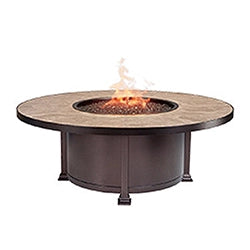
Permanent Fire Pits: a permanent solution is either built into the ground or heavy enough that you’re not going to be able to quickly or easily move it. These are more of a focal point in your yard. Since it is staying in once place, it is a good idea to choose a permanent fireplace that matches the décor and materials of the rest of the yard, such as with a brick base. You can work with a contractor on a custom design for your yard to include your pit, or install it yourself.
Fuel Type more than anything, your choice of fueld type will determine your overall fire pit experience. You main options are propane, natural gas, wood, and ethanol. While a wood fire is more traditional and burns hotter, it can cause embers to jump out, creates more smoke, and requires you to maintain a healthy log pile. Gas fire pits are generally easier to light, maintain, and use. And which gas type you choose may also be dictated by where you choose to set up the pit (natural gas fire pits require a gas line from your home).
| Fuel type | Heat feel | Convenience | Maintenance | Typical use | Notes |
|---|---|---|---|---|---|
| Wood | Highest peak heat | Lower | Ash cleanup, screen use | Backyards, camping | Use dry hardwood, keep screen on, watch embers |
| Propane | Warm, adjustable | Highest | Cover and burner wipe | Patios, decks | Tank storage or hidden in table base |
| Natural Gas | Warm, steady | High | Annual check | Permanent patios | Professional installation, never runs out |
| Ethanol | Modest | High | Refill canisters | Niche spaces | Style forward, small flame area |
So, when I get asked asked which fuel is best, I always say it depends on your lifestyle and local regulations.
- Wood: high heat, classic ambiance, budget friendly to operate. Requires storage, cleanup, and careful spark control. Use a screen and a poker, and keep distance from structures. Portable wood pits shine for camping and small patios.
- Propane: quick start, adjustable flames, clean surface. Most buyers in our experience choose propane for convenience. About 55 percent of users report using their fire pits at least 15 times per year, and a big reason is the ease of propane lighting.
- Natural gas: similar look to propane but with a fixed line. No tank swaps, ideal for permanent installations. Needs a licensed installer and planning.
- Ethanol: simple, odor light flame. Lower heat output than gas or wood, but attractive where venting and gas lines are not an option.
Recommended Fire Pit Types for Beginners
- Wood burning bowls and chimineas: classic flames, crackle, and that campfire aroma. Portable fire pits are great for camping and small spaces, and a spark screen helps a lot. If you’ve got smoke-sensitive guests, this might be a tradeoff.
- Propane fire tables and bowls: push-button convenience, steady flame, and no ash. We’ve seen more than 80% of our first-time buyers prefer propane for convenience, especially since they pair nicely with patio furniture layouts and glass media for a polished look.
- Natural gas built-ins: perfect for a dedicated patio or outdoor room where you want no tank refills. Professional installation ties it into your home’s gas line and makes it a seamless fire feature.
- Ethanol: clean burning and vent free, but only usable for certain situations. Personally, I’ve seen ethanol fire features work best as a niche option for style-forward spaces that need a small, simple flame without a gas line or wood storage. Think small table top fire bowls and similar.

Materials and Construction Quality
| Material | Look | Durability | Maintenance | Where it shines |
|---|---|---|---|---|
| 304 stainless | Modern, clean | High | Low | Coastal or humid areas |
| Powder coated steel | Colorful, sleek | Medium | Moderate | Covered patios |
| Cast concrete | Sculptural | High | Low | Design-forward spaces |
| Stone or brick | Traditional | Very high | Low | Permanent backyard builds |
While you’re shopping for your first fire pit, you’ll find ones made from metal, concrete, stone, or brick. And as someone just dipping your toes into the fire pit experience, I’d recommend a durable material.
- Stainless steel: 304 stainless resists rust and works well near the coast. 316 stainless is even more corrosion resistant if you are very close to salt air. Bowls, pans, and burners in stainless hold up well.
- Powder coated steel: budget friendly with lots of color options. Keep an eye on scratches and keep it covered to avoid rust.
- Cast concrete or concrete composite: heavy, stable, and stylish. Brands like American Fyre Designs and Prism Hardscapes offer finishes that look amazing with modern patio furniture.
- Stone or brick masonry: timeless. Built-in fire pits in stone match existing hardscape. Brick rings are classic for wood burning pits.
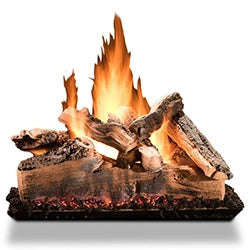
- Ceramic and glass components: decorative log sets and fire glass add aesthetics. Tempered glass media handles heat safely.
Brands to Explore for Your First Fire Pit
Starfire Designs is the best place to start for everything from individual burners to complete fire tables. As you’re exploring our site, keep your eyes open for a few of the top brands: American Fyre Designs for concrete pieces, Prism Hardscapes for sculptural styles, HPC Fire Inspired for premium gas components, and Real Fyre for dependable media and parts.
And if you have more questions about sizes, shapes, and finishes to match your preferred patio furniture style, just connect with our team.

What Is the Best Location?
Before you invest in a new pit for your yard, it is important to scout out the right location. In addition to figuring out where you get the most bang for your buck, in terms of use and proximity to the grill, pool, and other features, you must also be mindful of city laws.
Many towns and housing communities have restrictions and guidelines in place for fire pits. These rules say how far from the house and your neighbors’ yards the pit must be in order to reduce the risks associated with having open flames.
It is critical that you check with your local city hall, especially before beginning a large-scale renovation and installing a permanent outdoor fireplace. Even if you only plan to buy a portable pit, check the rules and regulations to ensure that you avoid fines.
When it comes to the location in your yard, you have a number of options. Ultimately, the optimal location will be found by determining how you are most likely to use your new pit.
For example, if you have a large outdoor space, you can choose to set up your fire bowl in its own area to create a new focal and gathering point. You can also make your new permanent pit an extension of your existing patio layout to increase seating options for family and friends. Portable fireplaces are also great poolside fixtures, so you can warm up after going for a swim.
From our experienced opinion, keep these practical details in mind:
- Surface: place the pit on a noncombustible surface like concrete, stone, or pavers. Grass can brown from heat and wood decks can be risky without a rated deck protector.
- Clearances: give yourself breathing room all around for chairs and walk paths. I have a strong sense that at least 6 feet of open space around the flame zone makes conversation comfortable.
- Wind patterns: watch how gusts move on your patio. Tall flames and strong winds are not friends, and screens or wind guards can help on breezy evenings.
- Gas routing: if you plan a natural gas connection, choose a location that shortens the trench or conduit path. It saves cost and hassle.
Preparing for the Pit Before It Arrives
For those investing in a permanent solution, there are a few extra steps to take after purchasing your new pit. If you plan to build your new pit on your own, you will want to begin measuring out the area it will go in your yard and preparing for construction. This includes purchasing concrete and mortar mixtures, as well as the rock or other materials you will use to build the base of your pit.
It is also smart to look at various lighting fixtures and seating options so that you can make the most out of your new space. For many, the point of owning a pit is to create a campfire atmosphere. Therefore, you don’t want to go overboard with bright lights shining in your backyard. However, energy-efficient string lighting and path lights to direct people to and from the area help enhance the space. Once your new pit arrives, you will have everything you need to be up and running in no time.
The Starfire Direct team always says a little prep saves you a lot of headaches:
- Measure the seating zone. If you want four people to stretch out, plan for 12 feet by 12 feet. If you want eight people elbow to elbow, you’ll need more room.
- Confirm fuel plan. Propane needs hose routing and a plan for hiding the tank. Natural gas needs a licensed installer. Wood needs a log rack away from the house.
- Check tools and accessories. A fire extinguisher should live nearby. Tongs, a poker, and a screen for wood. For gas, verify you have a long lighter, a key for a valve if needed, and glass or lava ready to go.
- Weather plan. Covers keep rain and debris out, which extends the life of your burner and interior components.

Fire Pit Shipping, Delivery, and Installation Information
When you find the perfect new pit for your yard, the last thing you want is to have to break your budget on shipping and delivery charges. Always ask about your supplier’s shipping, delivery, and installation costs and details… then include that into your budget and plan.
The Starfire Direct team is happy to help you discover a new outdoor fireplace for the right price while also ensuring that you are able to stay comfortably within your budget. Starfire Direct offers free shipping on select items. This helps homeowners around the country – and even some outside of the United States – get what they want without worry.
Once your new pit arrives, view helpful instruction videos to assist with the installation process. If your project is more involved, your contractor will be able to provide professional installation so all you need to do is prepare for your first event around the fire. Before, during, and after installation it is extremely important to maintain high levels of fire pit safety.
In our judgment, here’s how installation tends to break down:
- Pre-assembled propane tables: place it, connect the tank, add media, and test. You’ll be roasting marshmallows within the hour.
- Kit-based gas pits: assemble the enclosure or set the bowl, run gas, then install the burner, pan, valve, and media. A licensed pro should handle the gas connection.
- Custom permanent builds: design, pour the pad, build with block or stone, set components, pressure test gas, and finish with coping and seating.
Safety Precautions to Take
After you’ve completed installation, it is important to ensure that proper safety measures are taken each time you use your new pit. According to the National Fire Protection Association (NFPA), outside fireplaces or pits cause nearly 3,700 grass and brush fires each year. Although, not all fireplaces produce embers and wood burning fire features tend to be the cause of brush fires, it is good to take safety precautions while using any fire pit.
In order to avoid becoming a statistic and causing possible damage to your home, neighbors, and the community, follow these guidelines:
- Check the direction of the wind before lighting a fire. Heavy winds can blow embers out of the fire and spark brush or other items.
- Do not use flammable liquid to start or restart a fire, because these can create bursts that cause personal injury.
- Do not get too close to the fire or wear loose or flammable clothing around your pit.
- Read all instructions for safe operation of your pit, and know the type of fuel to use to keep risks low.
- Safely dispose of all ashes.
- Invest in gas or propane fire pits because they don’t produce embers.
- Keep a fire extinguisher within quick reach. Water and sand work in a pinch for wood, but a proper extinguisher is faster.
- Mind local regulations and HOA rules. Some areas require spark arrestors for wood-burning pits, and certain seasons can have burn bans.
- Use only rated fire media. Tempered fire glass or lava rock designed for gas fire pits prevents popping and damage.
- Protect surfaces. A heat barrier pad under a portable unit helps on composite or wood decks that are rated for this kind of use.

Ongoing Maintenance for Your Fire Pit
It is a smart idea to check the owner’s manual to get the full picture when it comes to maintenance for your fire pit. This includes removing ashes after each use and keeping the screen clean to avoid the buildup of potentially harmful particles. When it comes to the rest of your yard, you want to be sure to remove any undergrowth, because this can create a fire hazard and can potentially ignite. Use warm, soapy water and a whisk brush to clean off the screen. This allows your pit to continue to look great, while also keeping its necessary ventilation clear.
If you need assistance with maintenance, you can work with a professional service to take care of the job or get more information from the manufacturer so no step is overlooked. With these tips in mind, buying your first pit will be a walk in the park!
For gas models, my routine looks like this:
- Wipe the burner pan and media. Dust and debris clog ports and dampen flame height.
- Check the ignition components and tighten fittings. Tiny leaks sap performance and waste fuel.
- Cover between uses. Keeps rain, leaves, and critters out.
- For natural gas, schedule periodic inspections. A 10 minute check can prevent issues that cost more later.
Regular maintenance for wood burning fire pits:
- Empty ashes into a metal bucket after fully cooling. Store the bucket away from structures.
- Clean soot from metal with a soft brush. Light rust on steel can be addressed with high temp paint.
- Inspect spark screens for tears. Replace if damaged to keep embers in check.
Important Accessories and Add-ons
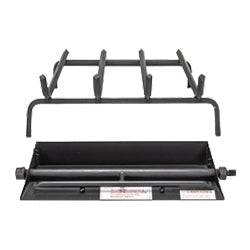
Many fire pits come with accessories, like cooking grates or screens. The right pieces boost safety, comfort, and fun.
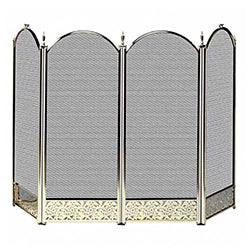
- Spark screens and lids for wood: control embers and keep rain out.
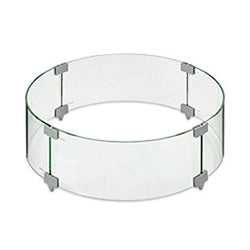
- Wind guards for gas: stabilize flames and protect glass media.
- Protective covers: the easiest way to extend the life of valves, burners, and finishes.
- Cooking grates and rings: wood bowls with a grate turn your pit into a casual grill. Pancakes on a cast iron over coals on a Sunday morning? Highly recommended.
- Heat deflectors: direct warmth outward to seating on cool nights.
- Tank enclosures and side tables: keep propane out of sight while adding a place to set drinks.
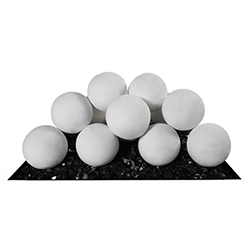
- Media: fire glass, lava rock, and ceramic logs. Starfire Designs glass offers a variety of colors to match your patio style.
Regulations, Permits, and Neighborly Peace
You don’t want a perfect Saturday night cut short by a polite knock about smoke drifting over the fence. As far as I can tell, a few steps keep everyone happy.
- Check the local fire code. Some cities set minimum distances and seasonal restrictions for wood burning.
- Gas lines require a licensed installer, inspections, and sometimes a simple permit. It’s routine.
- Use a screen on wood pits to reduce embers. Choose well seasoned hardwood to cut smoke.
- Arrange seating and the pit so smoke and heat head up, not toward windows and doors.
A Buyer’s Checklist You Can Use Today
- Space and seating plan measured
- Fuel choice picked and permitted
- Material and style matched to patio furniture
- Size, BTUs, and table functionality chosen
- Safety gear on hand: extinguisher, screen or wind guard
- Accessories ordered: cover, media, tank enclosure or log rack
- Delivery path cleared and placement surface ready
Bringing It All Together
I’m guessing you’re already picturing your perfect fire pit area. Maybe it’s a low concrete table with a smooth flame and cushy seating, or a sturdy stone ring on the back edge of the lawn where the kids enjoy the perfect s’more. And honestly, the best choice is the one that fits your space, your budget, and how you prefer to spend time outside.
Pick a fuel and fire pit that matches your lifestyle. Choose materials that fit your climate and design. Keep safety simple and non negotiable. And don’t forget a good cover.
Warmth, ambiance, comfort… all in a setup that suits you.