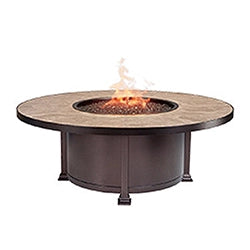
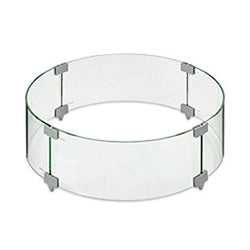
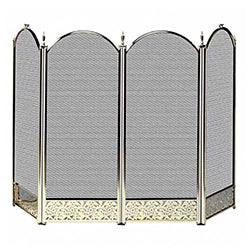
Yes, a wind guard is recommended if you're using your fire pit in a windy area. It helps protect the flame from gusts, ensuring consistent performance and enhancing safety by keeping the flame stable.
How can we help you?
Video Library
1 Sub Category | 0 Docs
Last Updated: 10th March, 2025Troubleshooting
4 Docs
Last Updated: 10th March, 2025Beton Fire Pits
11 Docs
Last Updated: 5th March, 2025Manuals & Documentation
1 Docs
Last Updated: 5th March, 2025Product Categories
8 Sub Category | 0 Docs
Last Updated: 5th March, 2025Customer Service
4 Sub Category | 0 Docs
Last Updated: 5th March, 2025Frequently Asked Questions
Find Answers To All Your Questions
Fire Pits
Fireplaces
Fire Glass & Alternatives
Patio Heaters
BBQ
DIY Fire Pits
Beton Fire Pits
Payments
Shipping & Delivery
Should I get a wind guard for my Fire Pit?
Should I get a Propane Tank Cover?
A propane tank cover is a great option if you're using propane to fuel your fire pit and want to keep the tank out of sight. These covers not only conceal the propane tank but also often double as functional table space, providing extra utility in your outdoor area. For both aesthetic and practical reasons, a propane tank cover is a smart choice to enhance the overall look and functionality of your fire pit setup.
Do you sell and ship Propane Tanks?
No, we do not sell or ship Liquid Propane (LP) Tanks. While many of the fire features we offer are compatible with propane, the actual propane tanks are sold separately and must be sourced independently. We recommend purchasing your propane tanks from a local hardware or home improvement store to ensure proper compliance with local safety regulations and availability.
Many local stores offer propane tank refills or exchanges, making it a convenient option for ongoing use. Be sure to verify that the size and type of propane tank you are purchasing is compatible with the fire feature you have chosen, as tank sizes can vary based on your specific model’s requirements.
Can I fill my gas fire pit with pea gravel?
Yes, you can use pea gravel, but only for natural gas fire pits. It’s important to note that while pea gravel can be used, it’s generally not recommended. If you do choose to use it, make sure to follow the same safety precautions and regulations as you would for using lava rock in a fire pit.
Pea gravel should never be used in propane fire pits, as it may trap gas, leading to potential safety hazards. Always ensure the gravel is dry before use, as wet materials can cause popping or explosions when exposed to heat.
For the safest and best results, consider using materials specifically designed for fire pits, such as lava rock or fire glass.
What is an ODS pilot?
An ODS (Oxygen Depletion System) pilot is a critical safety component in vent-free fire features. It monitors the oxygen levels in the room to ensure safe operation. If the oxygen level in the room drops below 18%, the ODS pilot will automatically shut off the gas supply to prevent potential hazards.
The ODS system's shut-off point is regulated by the American National Standards Institute (ANSI) Z21.11.2, ensuring the fire feature adheres to strict safety standards. The ODS is essential for preventing carbon monoxide buildup and ensuring safe operation in spaces without proper ventilation.
What is a BTU?
In the fire industry, BTU stands for British Thermal Unit, which is a measurement of energy. One BTU is roughly equal to 1.06 kilojoules or the amount of energy required to raise the temperature of one pound of water by one degree Fahrenheit.
BTU ratings are used to compare the heat output potential of fire features, such as gas fireplaces, grills, and fire pits. The higher the BTU rating, the greater the heat output, making it an important factor when choosing a fire feature based on heating needs.
What is Fire Glass?
Fire glass is a modern, visually stunning alternative to traditional fire media like ceramic logs or lava rock. Made from tempered glass, it can withstand the high temperatures of fireplaces and fire pits, making it both durable and effective for gas-fueled fire features.
Available in various colors and shapes, fire glass creates a beautiful, reflective display that glitters in the firelight. It won’t melt, pop, fade, or emit toxic gases when used properly in fires below 1500 degrees Fahrenheit. Unlike other fire media, fire glass allows the heat to radiate more efficiently, providing warmth without being obstructed.
Fire glass is a popular choice for adding both style and function to fireplaces and fire pits.
Can I vent my fireplace through a wall?
If you're using firewood as fuel, the answer is no—wood-burning fireplaces must be vented vertically through a chimney. However, vented gas fireplaces can often be vented through a wall, depending on the type of fireplace:
- Direct Vent Fireplaces: These can be vented through an exterior wall, as they pull in outside air for combustion and expel exhaust gases outside.
- B-Vent Fireplaces: These usually require vertical venting but may have flexible installation options.
It's important to follow the manufacturer’s guidelines and local building codes when considering venting options.
What is the Opening Size (or Viewing Area) on a Fireplace or Fire Box?
The Opening Size (or Viewing Area) of a fireplace or firebox refers to the dimensions of the area where the flames are visible. It does not include the outer frame, flange, or any external measurements—just the innermost box where the fire is contained.
In the image provided, the firebox has an Opening Size (Viewing Area) of 68.1 inches. This is the space where you would see the flames when the firebox is in use.
What is a "ventless" gas heating product?
A ventless (or vent-free) gas heating product is a heating appliance, such as a fireplace, stove, or log set, designed to operate without a chimney, flue, or vent. These systems can be fueled by either natural gas or propane and are typically used to provide supplemental heat to a home.
Because ventless products do not require a vent or chimney, all of the heat they generate stays inside the home, making them 99.9% energy efficient. This means that nearly all the energy from the fuel is converted into heat, making vent-free products an efficient and cost-effective heating solution. However, they must be used in well-ventilated areas to maintain safe air quality levels.
What does an outside air kit do and do I need one?
An outside air kit is designed for wood-burning fireplaces and provides additional combustion air from outside your home. By pulling in oxygen-rich air from outside, the kit improves the fireplace's performance, ensuring that the fire burns more efficiently.
You may need an outside air kit if your home is tightly constructed or well-insulated, as this can restrict the amount of indoor air available for combustion. Additionally, an outside air kit can help prevent your fireplace from using the air inside your home, which can improve indoor air quality and reduce drafts.
Overall, an outside air kit is a useful addition for enhancing fireplace efficiency, especially in modern, energy-efficient homes.
What are gas logs?
Gas logs are artificial logs designed to mimic the look of a traditional wood-burning fire while offering the convenience and cleanliness of gas fuel. They eliminate the need for cleaning up ash and residue, making them a hassle-free alternative to wood.
When used with gas inserts, gas logs are more efficient than wood-burning fireplaces, but they typically produce lower heat output. You can install gas logs in a wood-burning fireplace with the proper setup, but it's important to note that you cannot burn real wood in a gas fireplace.
Gas logs provide the warmth and ambiance of a fire without the mess and maintenance of traditional wood-burning fireplaces.
What is the difference between Fire Glass and Gas Logs or Lava Rocks?
The key difference between fire glass and gas logs or lava rocks lies in how they affect flame efficiency and heat output. When using gas logs or lava rocks, the flame comes into direct contact with the media, which can lower the flame temperature, reduce burn efficiency, and result in less heat output.
In contrast, fire glass allows combustion to occur above the glass, meaning the flames are unaffected by the media below. This ensures maximum heat output and better flame efficiency, making fire glass a highly effective option for those looking to retain as much warmth as possible from their fire feature while also adding a stylish, reflective look.
Can I use Fire Glass with propane?
Yes, fire glass is compatible with propane as long as your fireplace or fire pit is set up correctly. This typically requires the installation of a propane conversion or connection kit, which may include an air mixer and a burner pan. The air mixer is essential for ensuring proper combustion and safety when using propane.
Is the quality of all Fire Glass the same?
No, the quality of fire glass can vary significantly. Cheaper fire glass on the market may be impure, which could lead to issues like melting, cracking, discoloration, or even popping out of the fireplace or fire pit. These lower-quality products might also have sharp edges, making them uncomfortable or dangerous to handle.
At Starfire Direct, we only offer high-quality fire glass that we personally trust in our own products. Our Starfire Glass is top-tier, heat-tempered to withstand extremely high temperatures, and comes with a lifetime warranty. It’s guaranteed to not fade, melt, crack, or pop, ensuring both safety and aesthetic appeal for your fire feature.
What is Reflective Fire Glass?
Reflective Fire Glass is a type of fire glass that features a mirrored finish on one side. This finish enhances the glass's ability to reflect light, creating a dazzling, sparkling effect when flames or sunlight hit it. The result is a more brilliant shine compared to standard fire glass, making it a popular choice for those looking to add extra visual appeal to their fire pit or fireplace. The reflective surface adds depth and a unique glow to the flame, elevating the aesthetic of any fire feature.
Does the Fire Glass ever burn or discolor?
No, our Fire Glass is specifically designed to withstand the high heat generated by a fire pit or fireplace. It does not melt, burn, or release any harmful fumes or smoke when used correctly in gas-fueled fires. You can rely on its durability and beauty, as it maintains its vibrant color without fading or discoloration over time. We ensure that our Fire Glass meets the highest standards, providing our customers with both high performance and a stunning aesthetic for their fire features.
What is infrared heat?
Infrared heat is a form of energy similar to the sun’s rays, which warm the earth. Infrared rays are part of the electromagnetic spectrum and travel at the speed of light (186,000 miles per second) in a straight line without losing heat as they pass through the air. Unlike traditional heating methods that warm the surrounding air, infrared heat directly warms objects and surfaces, making it an efficient and effective heating solution.
When infrared rays hit a surface—such as human skin, glass, concrete, or wood—they are absorbed and converted into heat, which is then radiated back into the surrounding environment. Materials with reflective properties, like aluminum, can help focus and direct infrared rays, enhancing their effectiveness. Because infrared heat efficiently warms objects and people without wasting energy on heating the air, it is widely used in outdoor heating systems, including patio heaters, fire pits, and other outdoor applications, where traditional heating methods may be less effective in cooler or windy conditions.
Does an electric heater cost more than a gas unit to operate?
The cost to operate an electric heater compared to a gas heater depends on several factors, including your region and energy prices. In general, electric heaters tend to have lower upfront costs and require less maintenance than gas heaters. Nationwide, electricity can be cheaper than propane and competitive with natural gas, making electric heaters more affordable in some regions.
On the other hand, gas heaters, whether propane or natural gas, typically have higher initial purchase prices and require more frequent maintenance. However, the cost savings from using natural gas may offset the higher purchase price over time, though this usually takes about 7-10 years to realize.
While electric units may cost more per hour to operate in some areas, their lower initial investment and reduced maintenance costs often make them a more cost-effective option for homeowners in the long run.
Can I run my heaters on only 120 volts of power?
Yes, you can run a heater on 110/120 volts of power, but this is only practical for small, enclosed spaces like garages, indoor work areas, or small outdoor areas (up to about 5' x 5'). A 110/120-volt heater typically has a maximum output of 1,500 watts, which limits its heating capacity.
For larger spaces, running a 120-volt circuit is not ideal because it won’t provide sufficient heat. Instead, using a 240-volt circuit is a more efficient option. With a 240-volt heater, you can heat much larger areas with better comfort, and although it requires more power, it still only takes two spaces in your breaker panel (as opposed to one for a 120-volt heater).
In summary, while 120-volt heaters are fine for small spaces, a 240-volt circuit is much more efficient and practical for heating larger areas.
Do I need a Side Burner?
A side burner is a separately controlled cooking surface with its own burner, positioned adjacent to the main grill, and it can significantly enhance your outdoor cooking experience by providing additional space and flexibility.
By increasing cooking capacity, a side burner allows you to cook more food simultaneously, making it especially useful for preparing large meals or hosting gatherings.
It also offers precise temperature control, enabling you to adjust the heat separately from the main grill—perfect for dishes that require gentle simmering while the main grill operates at a higher temperature.
Additionally, a side burner adds versatility to your setup, allowing you to sauté vegetables, boil water, or keep sauces warm without taking up space on the main grilling surface.
In summary, if you enjoy multitasking while cooking or frequently host larger gatherings, a side burner can be a valuable addition to your grill, offering more space and control over your meals.
How are the FPPK Inserts powered?
Inserts are powered by an AA battery, which is used to create the spark needed for ignition. This makes the FPPK system an ideal option for fire pits where A/C power is not available or difficult to install. The battery-operated ignition offers a convenient and simple solution for starting the fire without the need for an external power source.
HPC Fire recently introduced their new Push Button Ignition System, which is now in production on all of their CSA-certified Push Button units as well as uncertified ignition kits. This system provides the same reliable battery-powered ignition, ensuring easy operation in outdoor environments where electrical power is unavailable or difficult to access.
Can my Electronic Fire Pit Insert be linked to a whole house system or automated pool controller?
Yes, your electronic fire pit insert can be linked to a whole house system or an automated pool controller. Ignition boxes are typically powered by 120V and are connected to an outdoor GFI outlet, making integration into existing home automation systems possible.
For setups that require lower voltage, 24V models are also available upon request. These models can be used in specific systems that may require a lower voltage for compatibility, offering flexibility in linking your fire pit to automated systems like pool controllers or home automation hubs.
This makes it convenient to control your fire pit remotely as part of your home's integrated automation setup.
Does a larger fire ring mean taller flame height?
No, a larger fire ring does not necessarily result in a taller flame. The flame height is primarily determined by the amount of gas being supplied to the burner, not the size of the ring. While a larger fire ring will broaden the flame, if the gas pressure and BTU output are not sufficient to match the burner’s requirements, the flame height may actually be reduced. To achieve a taller flame, the gas supply must meet the burner’s BTU requirements. If the gas flow cannot be increased, reducing the fire ring size can help concentrate the gas flow and enhance flame height. In summary, flame height is dependent on gas supply, and a larger fire ring primarily affects the width of the flame rather than its height.
What colors are the Betons?
The Beton fire pit comes in 4 colors. Natural Gray, Graphite, White, and Sand.
Can I paint the Beton a different color?
We do not recommend painting the concrete a different color. We have had customer's ask in the past, but we typically answer the same: "You can try, but if painted, it would void any warranty/return eligibility." We have not had any feedback from these customers post question.
How much lava rock come with the beton?
The Beton fire pits come with 2 boxes worth of lava rock. This amount is sufficient for all burner openings on the Beton.
Why is the Beton so much lighter than other concrete units?
Most, if not all concrete fire pits on the market today, are made from GFRC. What makes one fire pit heavier than another boils down to the size, shape, and density of the fire pit. Some fire pits are designed to be more dense (heavier and more compact) while others are designed to be less dense (lighter and less compact). Regardless, GFRC has two to four times more flexural strength than conventional unreinforced concrete. This means that GFRC is stronger and more flexible, while ordinary unreinforced concrete is weaker and more brittle.
What payment methods are available?
We accept various payment methods for your convenience, including Credit Cards (Visa, MasterCard, American Express, and Discover) and PayPal.
Do you offer gift cards?
At this time, we don't offer gift cards.
Are there special discounts off my order?
Yes! If you're subscribed to our email list, we occasionally offer special discounts to our subscribers. It's our way of giving back to our community.
What shipping options are available?
We offer two main shipping options:
- Front Door Parcel Delivery: Delivered by carriers like UPS or USPS directly to your delivery address.
- Truck Delivery: For larger items like fire pits, fireplaces, and patio furniture that exceed parcel carrier shipping weight limits. This option often includes our Premium White Glove service and offers Unlimited Items for a Flat Rate fee.
How do you deliver fire pits?
Most fire pits are delivered by truck delivery with our White Glove service. This means your fire pit will be delivered to your home by appointment, placed in your room of choice, and unpacked and fully assembled. Some smaller fire pits may be delivered by parcel carrier, which does not include White Glove service. Please check the product page for specific delivery details.
What does Quick Ship mean?
"Quick Ship" means that the product is stocked at one of our warehouses and is available for delivery within 2 to 4 weeks. There is no additional charge for Quick Ship items. Please note that Quick Ship status is subject to product availability at the time of shipping.
How do you calculate shipping + processing charges?
For Front Door Shipping, charges are based on the merchandise total for each delivery address. If available, next day delivery incurs an additional charge.
For Truck Delivery, unlimited flat rate shipping and processing charges are calculated based on the distance from our warehouse to your shipping address, as well as your order total.
Please refer to our Shipping Information page for current rates and charges.
Do deliveries get charged sales tax?
Yes, sales tax on the merchandise total is charged for items shipped to specific states and US territories, including AL*, AR*, AZ*, CA*, CO*, CT*, DC*, FL*, GA*, HI*, IA, ID, IL*, IN*, KS*, KY*, LA*, MA, MD*, ME*, MI*, MN*, MO*, MS*, NC*, ND*, NE*, NJ*, NM*, NV*, NY*, OH*, OK, PA*, RI*, SC*, SD*, TN*, TX*, UT, VA*, VT*, WA*, WI*, WV*, WY, and Puerto Rico*. States and U.S. territories marked with an asterisk also collect taxes on shipping and processing charges. All sales are made by Starfire Direct, Inc., and the local sales tax of the delivery destination is applied. Orders shipped to California locations are F.O.B. destination point, meaning title passes in California.
Fire Pits
Should I get a wind guard for my Fire Pit?
Yes, a wind guard is recommended if you're using your fire pit in a windy area. It helps protect the flame from gusts, ensuring consistent performance and enhancing safety by keeping the flame stable.
Should I get a Propane Tank Cover?
A propane tank cover is a great option if you're using propane to fuel your fire pit and want to keep the tank out of sight. These covers not only conceal the propane tank but also often double as functional table space, providing extra utility in your outdoor area. For both aesthetic and practical reasons, a propane tank cover is a smart choice to enhance the overall look and functionality of your fire pit setup.
Do you sell and ship Propane Tanks?
No, we do not sell or ship Liquid Propane (LP) Tanks. While many of the fire features we offer are compatible with propane, the actual propane tanks are sold separately and must be sourced independently. We recommend purchasing your propane tanks from a local hardware or home improvement store to ensure proper compliance with local safety regulations and availability.
Many local stores offer propane tank refills or exchanges, making it a convenient option for ongoing use. Be sure to verify that the size and type of propane tank you are purchasing is compatible with the fire feature you have chosen, as tank sizes can vary based on your specific model’s requirements.
Can I fill my gas fire pit with pea gravel?
Yes, you can use pea gravel, but only for natural gas fire pits. It’s important to note that while pea gravel can be used, it’s generally not recommended. If you do choose to use it, make sure to follow the same safety precautions and regulations as you would for using lava rock in a fire pit.
Pea gravel should never be used in propane fire pits, as it may trap gas, leading to potential safety hazards. Always ensure the gravel is dry before use, as wet materials can cause popping or explosions when exposed to heat.
For the safest and best results, consider using materials specifically designed for fire pits, such as lava rock or fire glass.
What is an ODS pilot?
An ODS (Oxygen Depletion System) pilot is a critical safety component in vent-free fire features. It monitors the oxygen levels in the room to ensure safe operation. If the oxygen level in the room drops below 18%, the ODS pilot will automatically shut off the gas supply to prevent potential hazards.
The ODS system's shut-off point is regulated by the American National Standards Institute (ANSI) Z21.11.2, ensuring the fire feature adheres to strict safety standards. The ODS is essential for preventing carbon monoxide buildup and ensuring safe operation in spaces without proper ventilation.
What is a BTU?
In the fire industry, BTU stands for British Thermal Unit, which is a measurement of energy. One BTU is roughly equal to 1.06 kilojoules or the amount of energy required to raise the temperature of one pound of water by one degree Fahrenheit.
BTU ratings are used to compare the heat output potential of fire features, such as gas fireplaces, grills, and fire pits. The higher the BTU rating, the greater the heat output, making it an important factor when choosing a fire feature based on heating needs.
What is Fire Glass?
Fire glass is a modern, visually stunning alternative to traditional fire media like ceramic logs or lava rock. Made from tempered glass, it can withstand the high temperatures of fireplaces and fire pits, making it both durable and effective for gas-fueled fire features.
Available in various colors and shapes, fire glass creates a beautiful, reflective display that glitters in the firelight. It won’t melt, pop, fade, or emit toxic gases when used properly in fires below 1500 degrees Fahrenheit. Unlike other fire media, fire glass allows the heat to radiate more efficiently, providing warmth without being obstructed.
Fire glass is a popular choice for adding both style and function to fireplaces and fire pits.
Fireplaces
Can I vent my fireplace through a wall?
If you're using firewood as fuel, the answer is no—wood-burning fireplaces must be vented vertically through a chimney. However, vented gas fireplaces can often be vented through a wall, depending on the type of fireplace:
- Direct Vent Fireplaces: These can be vented through an exterior wall, as they pull in outside air for combustion and expel exhaust gases outside.
- B-Vent Fireplaces: These usually require vertical venting but may have flexible installation options.
It's important to follow the manufacturer’s guidelines and local building codes when considering venting options.
What is the Opening Size (or Viewing Area) on a Fireplace or Fire Box?
The Opening Size (or Viewing Area) of a fireplace or firebox refers to the dimensions of the area where the flames are visible. It does not include the outer frame, flange, or any external measurements—just the innermost box where the fire is contained.
In the image provided, the firebox has an Opening Size (Viewing Area) of 68.1 inches. This is the space where you would see the flames when the firebox is in use.
What is a "ventless" gas heating product?
A ventless (or vent-free) gas heating product is a heating appliance, such as a fireplace, stove, or log set, designed to operate without a chimney, flue, or vent. These systems can be fueled by either natural gas or propane and are typically used to provide supplemental heat to a home.
Because ventless products do not require a vent or chimney, all of the heat they generate stays inside the home, making them 99.9% energy efficient. This means that nearly all the energy from the fuel is converted into heat, making vent-free products an efficient and cost-effective heating solution. However, they must be used in well-ventilated areas to maintain safe air quality levels.
What does an outside air kit do and do I need one?
An outside air kit is designed for wood-burning fireplaces and provides additional combustion air from outside your home. By pulling in oxygen-rich air from outside, the kit improves the fireplace's performance, ensuring that the fire burns more efficiently.
You may need an outside air kit if your home is tightly constructed or well-insulated, as this can restrict the amount of indoor air available for combustion. Additionally, an outside air kit can help prevent your fireplace from using the air inside your home, which can improve indoor air quality and reduce drafts.
Overall, an outside air kit is a useful addition for enhancing fireplace efficiency, especially in modern, energy-efficient homes.
What are gas logs?
Gas logs are artificial logs designed to mimic the look of a traditional wood-burning fire while offering the convenience and cleanliness of gas fuel. They eliminate the need for cleaning up ash and residue, making them a hassle-free alternative to wood.
When used with gas inserts, gas logs are more efficient than wood-burning fireplaces, but they typically produce lower heat output. You can install gas logs in a wood-burning fireplace with the proper setup, but it's important to note that you cannot burn real wood in a gas fireplace.
Gas logs provide the warmth and ambiance of a fire without the mess and maintenance of traditional wood-burning fireplaces.
Fire Glass & Alternatives
What is the difference between Fire Glass and Gas Logs or Lava Rocks?
The key difference between fire glass and gas logs or lava rocks lies in how they affect flame efficiency and heat output. When using gas logs or lava rocks, the flame comes into direct contact with the media, which can lower the flame temperature, reduce burn efficiency, and result in less heat output.
In contrast, fire glass allows combustion to occur above the glass, meaning the flames are unaffected by the media below. This ensures maximum heat output and better flame efficiency, making fire glass a highly effective option for those looking to retain as much warmth as possible from their fire feature while also adding a stylish, reflective look.
Can I use Fire Glass with propane?
Yes, fire glass is compatible with propane as long as your fireplace or fire pit is set up correctly. This typically requires the installation of a propane conversion or connection kit, which may include an air mixer and a burner pan. The air mixer is essential for ensuring proper combustion and safety when using propane.
Is the quality of all Fire Glass the same?
No, the quality of fire glass can vary significantly. Cheaper fire glass on the market may be impure, which could lead to issues like melting, cracking, discoloration, or even popping out of the fireplace or fire pit. These lower-quality products might also have sharp edges, making them uncomfortable or dangerous to handle.
At Starfire Direct, we only offer high-quality fire glass that we personally trust in our own products. Our Starfire Glass is top-tier, heat-tempered to withstand extremely high temperatures, and comes with a lifetime warranty. It’s guaranteed to not fade, melt, crack, or pop, ensuring both safety and aesthetic appeal for your fire feature.
What is Reflective Fire Glass?
Reflective Fire Glass is a type of fire glass that features a mirrored finish on one side. This finish enhances the glass's ability to reflect light, creating a dazzling, sparkling effect when flames or sunlight hit it. The result is a more brilliant shine compared to standard fire glass, making it a popular choice for those looking to add extra visual appeal to their fire pit or fireplace. The reflective surface adds depth and a unique glow to the flame, elevating the aesthetic of any fire feature.
Does the Fire Glass ever burn or discolor?
No, our Fire Glass is specifically designed to withstand the high heat generated by a fire pit or fireplace. It does not melt, burn, or release any harmful fumes or smoke when used correctly in gas-fueled fires. You can rely on its durability and beauty, as it maintains its vibrant color without fading or discoloration over time. We ensure that our Fire Glass meets the highest standards, providing our customers with both high performance and a stunning aesthetic for their fire features.
Patio Heaters
What is infrared heat?
Infrared heat is a form of energy similar to the sun’s rays, which warm the earth. Infrared rays are part of the electromagnetic spectrum and travel at the speed of light (186,000 miles per second) in a straight line without losing heat as they pass through the air. Unlike traditional heating methods that warm the surrounding air, infrared heat directly warms objects and surfaces, making it an efficient and effective heating solution.
When infrared rays hit a surface—such as human skin, glass, concrete, or wood—they are absorbed and converted into heat, which is then radiated back into the surrounding environment. Materials with reflective properties, like aluminum, can help focus and direct infrared rays, enhancing their effectiveness. Because infrared heat efficiently warms objects and people without wasting energy on heating the air, it is widely used in outdoor heating systems, including patio heaters, fire pits, and other outdoor applications, where traditional heating methods may be less effective in cooler or windy conditions.
Does an electric heater cost more than a gas unit to operate?
The cost to operate an electric heater compared to a gas heater depends on several factors, including your region and energy prices. In general, electric heaters tend to have lower upfront costs and require less maintenance than gas heaters. Nationwide, electricity can be cheaper than propane and competitive with natural gas, making electric heaters more affordable in some regions.
On the other hand, gas heaters, whether propane or natural gas, typically have higher initial purchase prices and require more frequent maintenance. However, the cost savings from using natural gas may offset the higher purchase price over time, though this usually takes about 7-10 years to realize.
While electric units may cost more per hour to operate in some areas, their lower initial investment and reduced maintenance costs often make them a more cost-effective option for homeowners in the long run.
Can I run my heaters on only 120 volts of power?
Yes, you can run a heater on 110/120 volts of power, but this is only practical for small, enclosed spaces like garages, indoor work areas, or small outdoor areas (up to about 5' x 5'). A 110/120-volt heater typically has a maximum output of 1,500 watts, which limits its heating capacity.
For larger spaces, running a 120-volt circuit is not ideal because it won’t provide sufficient heat. Instead, using a 240-volt circuit is a more efficient option. With a 240-volt heater, you can heat much larger areas with better comfort, and although it requires more power, it still only takes two spaces in your breaker panel (as opposed to one for a 120-volt heater).
In summary, while 120-volt heaters are fine for small spaces, a 240-volt circuit is much more efficient and practical for heating larger areas.
BBQ
Do I need a Side Burner?
A side burner is a separately controlled cooking surface with its own burner, positioned adjacent to the main grill, and it can significantly enhance your outdoor cooking experience by providing additional space and flexibility.
By increasing cooking capacity, a side burner allows you to cook more food simultaneously, making it especially useful for preparing large meals or hosting gatherings.
It also offers precise temperature control, enabling you to adjust the heat separately from the main grill—perfect for dishes that require gentle simmering while the main grill operates at a higher temperature.
Additionally, a side burner adds versatility to your setup, allowing you to sauté vegetables, boil water, or keep sauces warm without taking up space on the main grilling surface.
In summary, if you enjoy multitasking while cooking or frequently host larger gatherings, a side burner can be a valuable addition to your grill, offering more space and control over your meals.
DIY Fire Pits
How are the FPPK Inserts powered?
Inserts are powered by an AA battery, which is used to create the spark needed for ignition. This makes the FPPK system an ideal option for fire pits where A/C power is not available or difficult to install. The battery-operated ignition offers a convenient and simple solution for starting the fire without the need for an external power source.
HPC Fire recently introduced their new Push Button Ignition System, which is now in production on all of their CSA-certified Push Button units as well as uncertified ignition kits. This system provides the same reliable battery-powered ignition, ensuring easy operation in outdoor environments where electrical power is unavailable or difficult to access.
Can my Electronic Fire Pit Insert be linked to a whole house system or automated pool controller?
Yes, your electronic fire pit insert can be linked to a whole house system or an automated pool controller. Ignition boxes are typically powered by 120V and are connected to an outdoor GFI outlet, making integration into existing home automation systems possible.
For setups that require lower voltage, 24V models are also available upon request. These models can be used in specific systems that may require a lower voltage for compatibility, offering flexibility in linking your fire pit to automated systems like pool controllers or home automation hubs.
This makes it convenient to control your fire pit remotely as part of your home's integrated automation setup.
Does a larger fire ring mean taller flame height?
No, a larger fire ring does not necessarily result in a taller flame. The flame height is primarily determined by the amount of gas being supplied to the burner, not the size of the ring. While a larger fire ring will broaden the flame, if the gas pressure and BTU output are not sufficient to match the burner’s requirements, the flame height may actually be reduced. To achieve a taller flame, the gas supply must meet the burner’s BTU requirements. If the gas flow cannot be increased, reducing the fire ring size can help concentrate the gas flow and enhance flame height. In summary, flame height is dependent on gas supply, and a larger fire ring primarily affects the width of the flame rather than its height.
Beton Fire Pits
What colors are the Betons?
The Beton fire pit comes in 4 colors. Natural Gray, Graphite, White, and Sand.
Can I paint the Beton a different color?
We do not recommend painting the concrete a different color. We have had customer's ask in the past, but we typically answer the same: "You can try, but if painted, it would void any warranty/return eligibility." We have not had any feedback from these customers post question.
How much lava rock come with the beton?
The Beton fire pits come with 2 boxes worth of lava rock. This amount is sufficient for all burner openings on the Beton.
Why is the Beton so much lighter than other concrete units?
Most, if not all concrete fire pits on the market today, are made from GFRC. What makes one fire pit heavier than another boils down to the size, shape, and density of the fire pit. Some fire pits are designed to be more dense (heavier and more compact) while others are designed to be less dense (lighter and less compact). Regardless, GFRC has two to four times more flexural strength than conventional unreinforced concrete. This means that GFRC is stronger and more flexible, while ordinary unreinforced concrete is weaker and more brittle.
Payments
What payment methods are available?
We accept various payment methods for your convenience, including Credit Cards (Visa, MasterCard, American Express, and Discover) and PayPal.
Do you offer gift cards?
At this time, we don't offer gift cards.
Are there special discounts off my order?
Yes! If you're subscribed to our email list, we occasionally offer special discounts to our subscribers. It's our way of giving back to our community.
Shipping & Delivery
What shipping options are available?
We offer two main shipping options:
- Front Door Parcel Delivery: Delivered by carriers like UPS or USPS directly to your delivery address.
- Truck Delivery: For larger items like fire pits, fireplaces, and patio furniture that exceed parcel carrier shipping weight limits. This option often includes our Premium White Glove service and offers Unlimited Items for a Flat Rate fee.
How do you deliver fire pits?
Most fire pits are delivered by truck delivery with our White Glove service. This means your fire pit will be delivered to your home by appointment, placed in your room of choice, and unpacked and fully assembled. Some smaller fire pits may be delivered by parcel carrier, which does not include White Glove service. Please check the product page for specific delivery details.
What does Quick Ship mean?
"Quick Ship" means that the product is stocked at one of our warehouses and is available for delivery within 2 to 4 weeks. There is no additional charge for Quick Ship items. Please note that Quick Ship status is subject to product availability at the time of shipping.
How do you calculate shipping + processing charges?
For Front Door Shipping, charges are based on the merchandise total for each delivery address. If available, next day delivery incurs an additional charge.
For Truck Delivery, unlimited flat rate shipping and processing charges are calculated based on the distance from our warehouse to your shipping address, as well as your order total.
Please refer to our Shipping Information page for current rates and charges.
Do deliveries get charged sales tax?
Yes, sales tax on the merchandise total is charged for items shipped to specific states and US territories, including AL*, AR*, AZ*, CA*, CO*, CT*, DC*, FL*, GA*, HI*, IA, ID, IL*, IN*, KS*, KY*, LA*, MA, MD*, ME*, MI*, MN*, MO*, MS*, NC*, ND*, NE*, NJ*, NM*, NV*, NY*, OH*, OK, PA*, RI*, SC*, SD*, TN*, TX*, UT, VA*, VT*, WA*, WI*, WV*, WY, and Puerto Rico*. States and U.S. territories marked with an asterisk also collect taxes on shipping and processing charges. All sales are made by Starfire Direct, Inc., and the local sales tax of the delivery destination is applied. Orders shipped to California locations are F.O.B. destination point, meaning title passes in California.